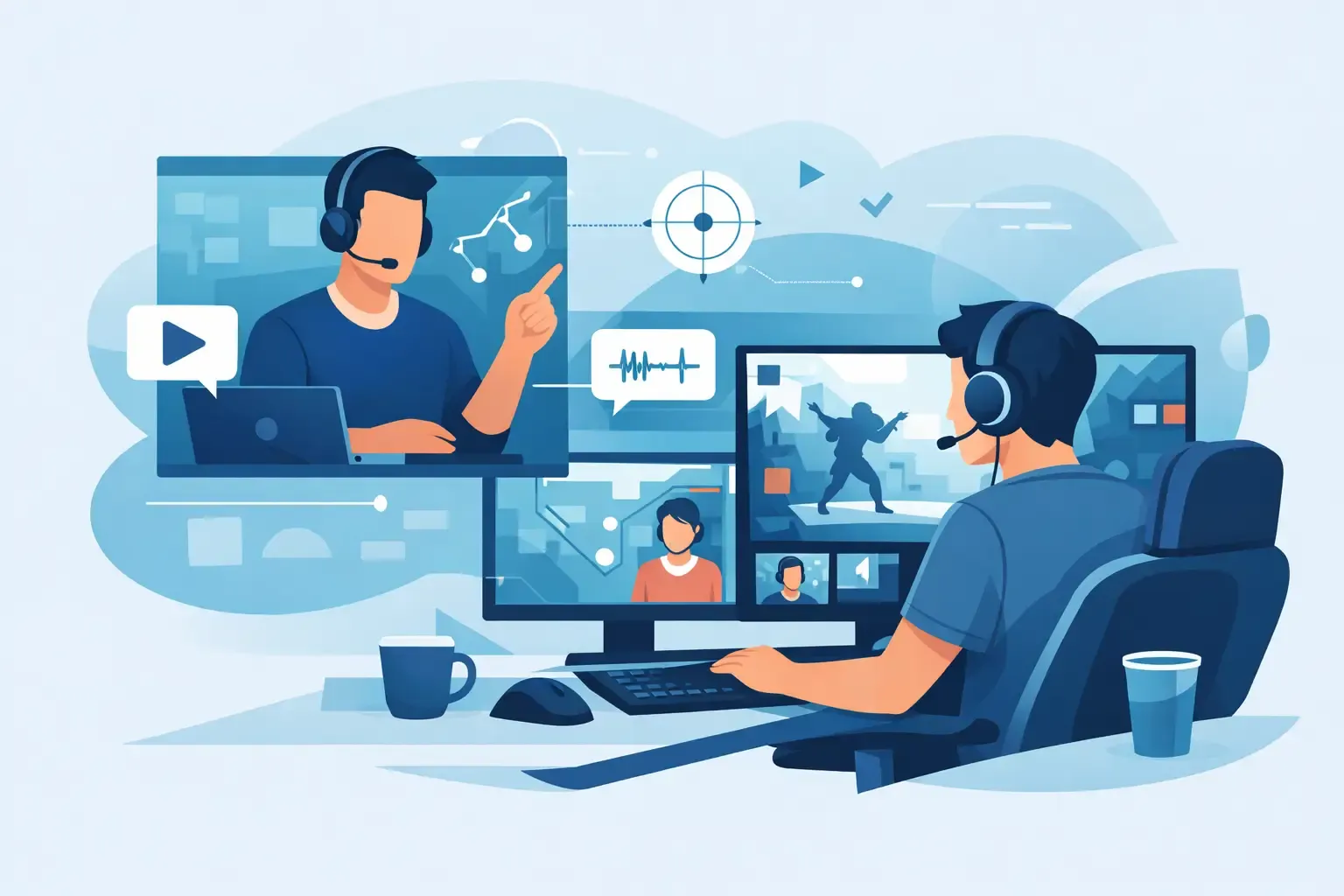
You queue ranked, lose two close games, win one stomp, then spend the next hour wondering what actually went wrong. That is the real reason players ask, are gaming coaches worth it? Not because they want someone to tell them to aim better, but because solo improvement gets messy fast. You can grind for months and still miss the one habit that keeps costing you fights, rounds, or entire matches.
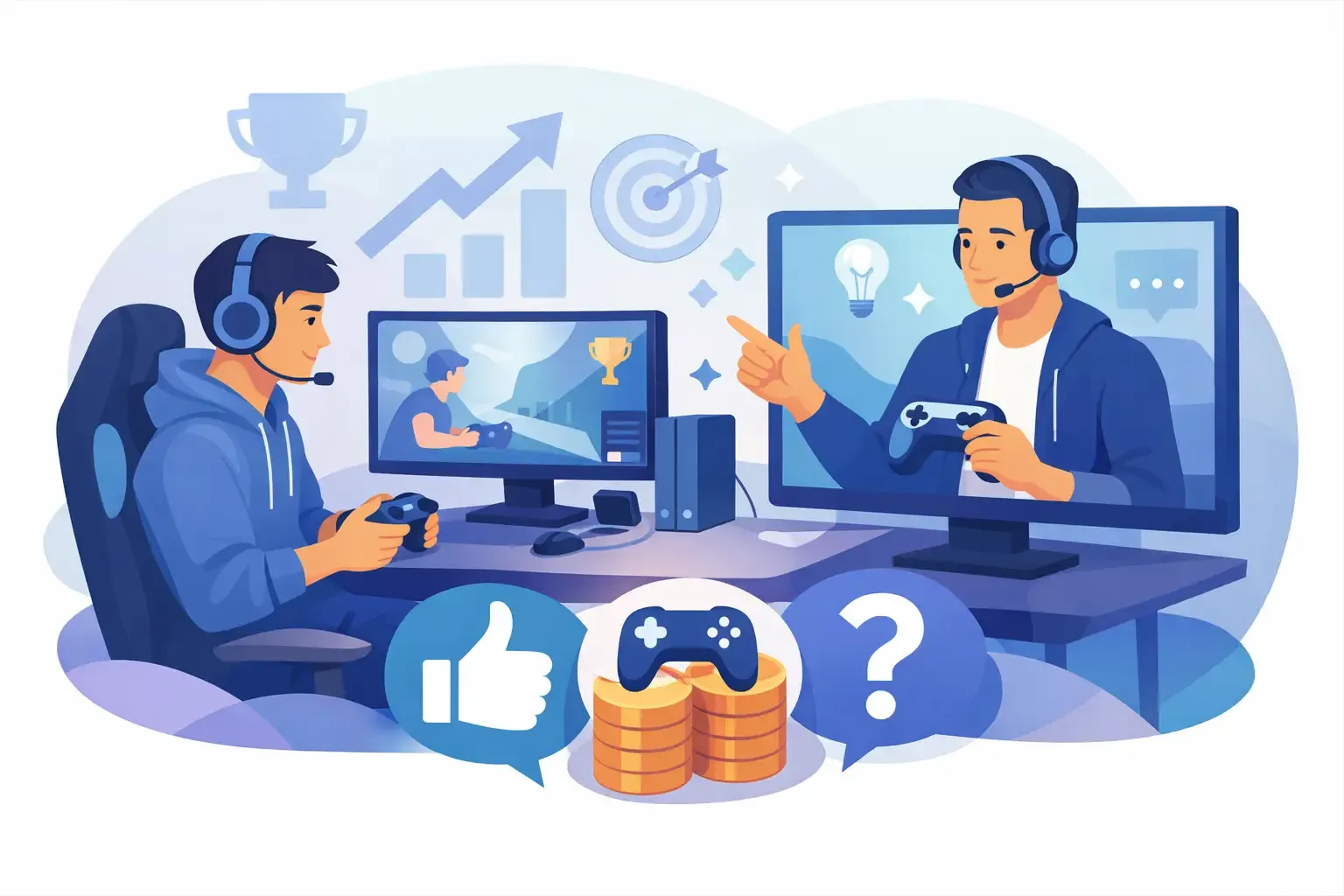
The honest answer is yes, gaming coaches can be worth it. But not for everyone, and not in the same way. The value depends on your goals, your current level, how coachable you are, and whether the coach gives you specific, game-relevant feedback instead of generic advice you could have gotten from a random video.
Are gaming coaches worth it for ranked improvement?
If your goal is to climb faster, coaching often beats blind repetition. Most players do not plateau because they are lazy. They plateau because they cannot see their own patterns clearly. You might blame teammates, bad matchmaking, or a rough patch, while the real issue is poor positioning, weak economy management, bad cooldown usage, autopilot rotations, or panic decision-making under pressure.
A strong coach shortens that feedback loop. Instead of playing another 50 games hoping something clicks, you get direct analysis of what is happening in your gameplay right now. That matters because ranked progress usually comes from fixing a few high-impact mistakes, not from absorbing more broad theory.
This is especially true in competitive titles where small decisions stack hard. In Valorant and Counter-Strike, timing and utility discipline can decide rounds before the first duel. In League of Legends and Dota 2, wave states, jungle tracking, and objective setup matter as much as mechanics. In Rocket League, one bad touch or overcommit ruins pressure. In every game, coaching can help if it turns vague frustration into a concrete improvement plan.
That said, coaching is not magic. If you book one session, ignore the notes, and go back to old habits, the value drops fast. Coaching works best when the player is ready to apply feedback between sessions.
What a good gaming coach actually changes
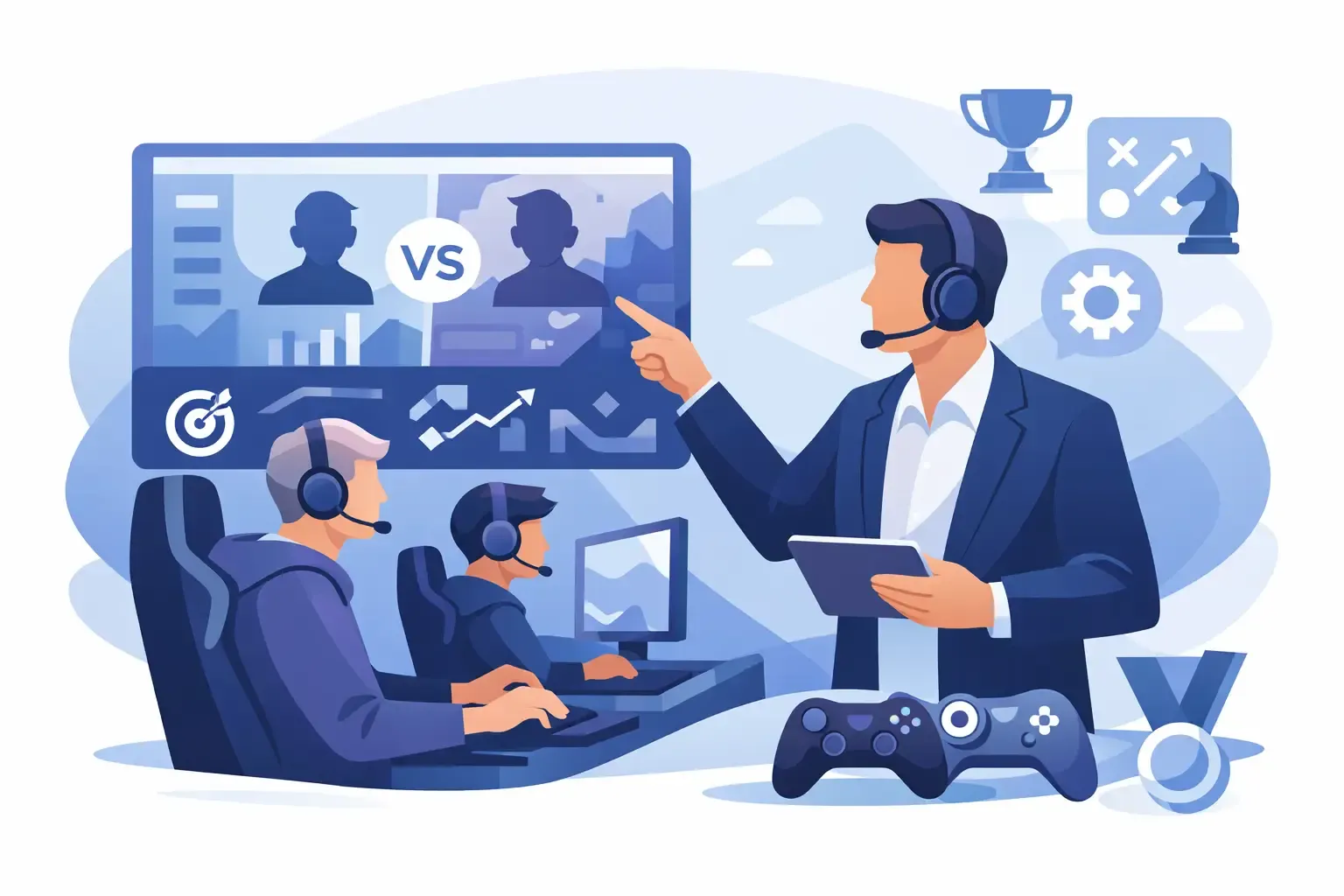
A lot of players think coaching is just live commentary from someone higher ranked. That is the weak version. Real coaching should create structure.
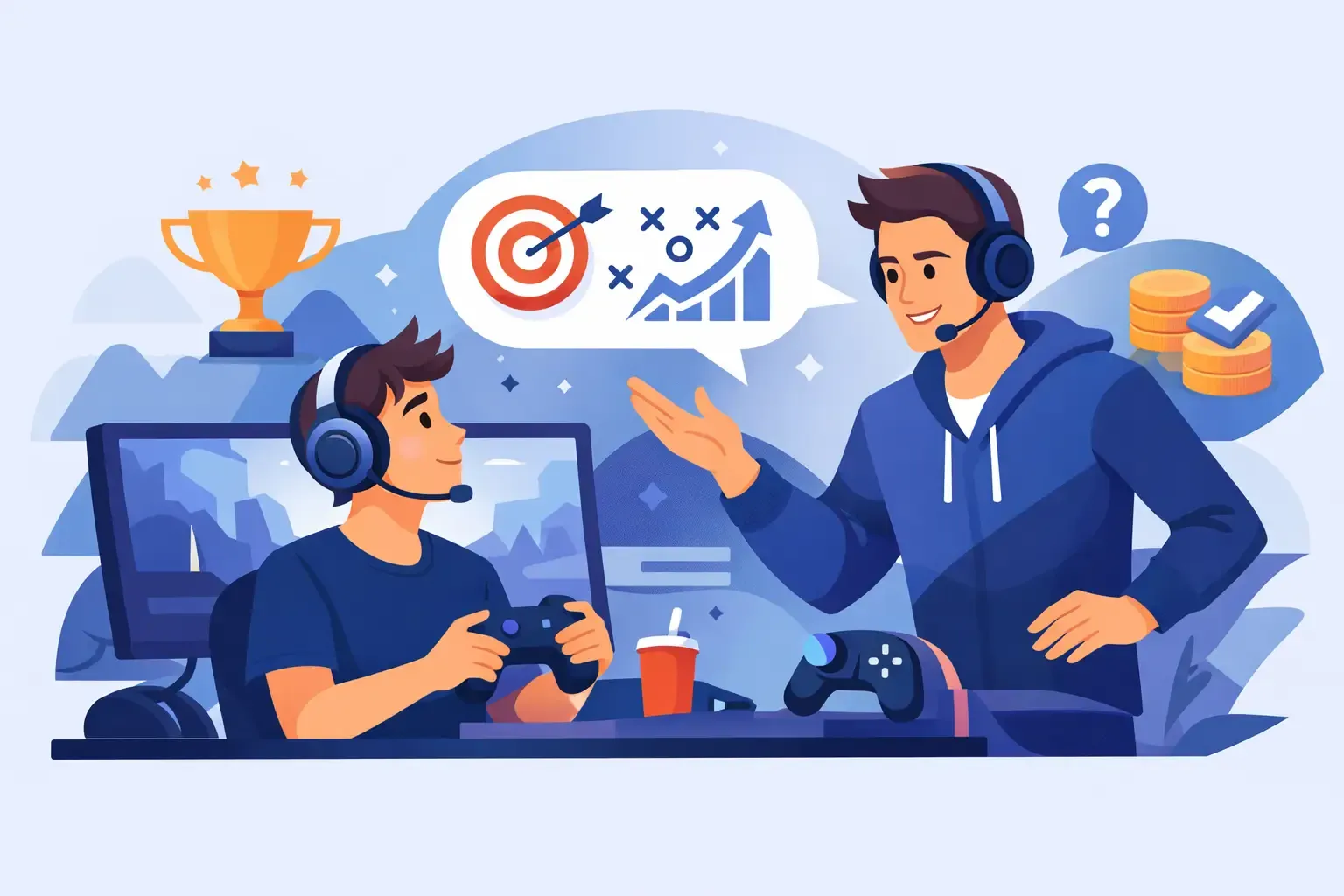
A good coach identifies your biggest bottlenecks, explains why they matter, and gives you focused actions you can practice. Maybe your crosshair placement is fine, but your peeking patterns are getting you punished. Maybe your mechanics are strong, but your deaths before objectives are throwing games. Maybe you know your role, but your champion pool is too wide to build consistency.
That kind of diagnosis matters because improvement is rarely balanced across every skill. Most players are not equally weak everywhere. They have one or two leaks doing most of the damage.
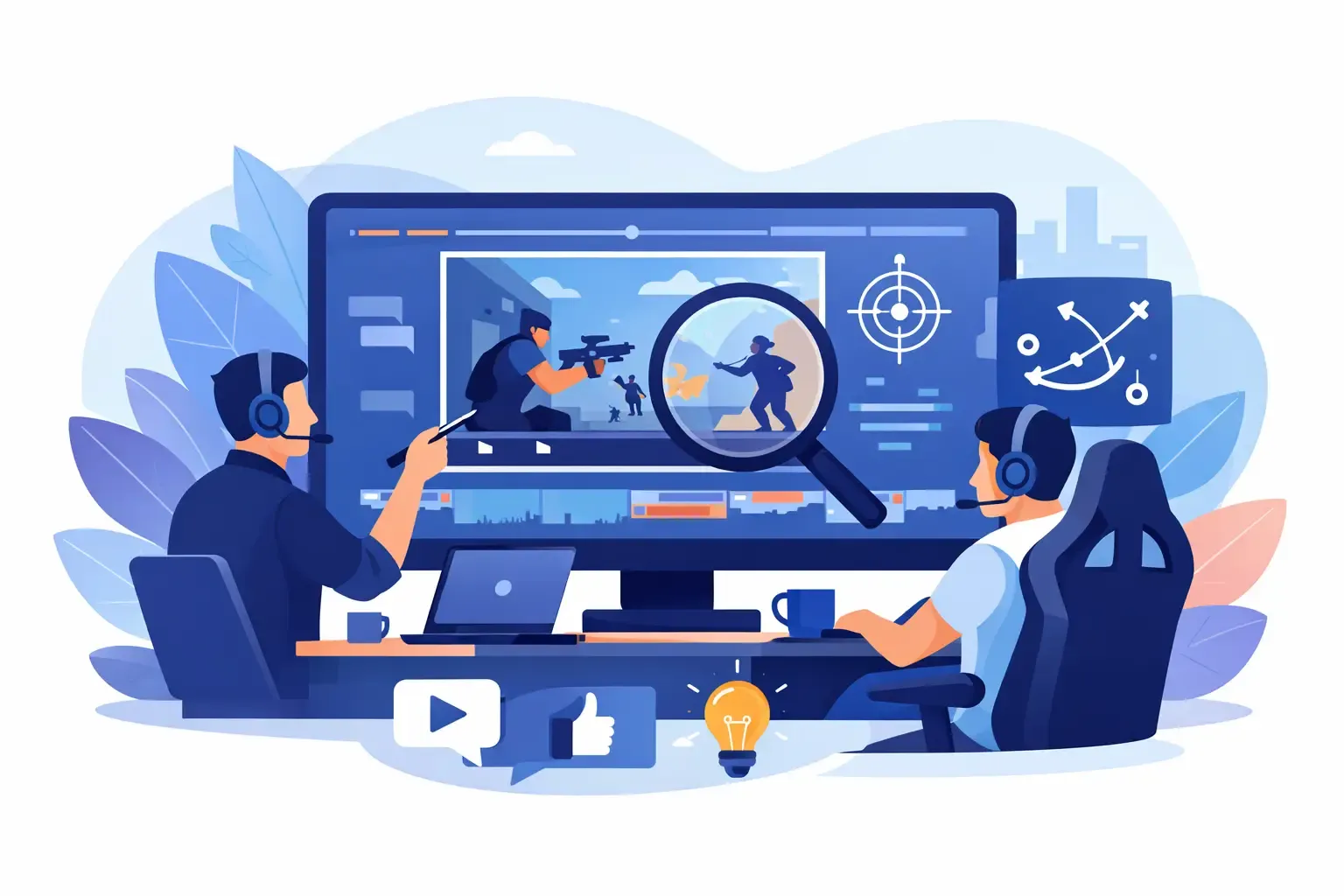
The best sessions also adapt to how you learn. Some players need live gameplay review. Others benefit more from VOD breakdowns because they can slow the game down and see decision points. Some need duo coaching to apply concepts in real time. Others need a custom plan for the next two weeks so they stop bouncing between random improvement goals.
That is where coaching starts to feel worth the money. You are not paying for motivation. You are paying for clarity, structure, and faster correction.
When gaming coaches are not worth it
There are cases where coaching is a poor investment.
If you barely play the game, you probably do not need a coach yet. Improvement comes from repetition, and if you only queue a few matches a week, you may not get enough reps to apply what you learn. In that case, a coach can still help, but the results will be slower.
Coaching is also less valuable if your expectations are unrealistic. No coach can turn a Silver player into Immortal in two sessions or push a casual player into semipro competition without serious practice outside the call. The better your goal-setting, the more coaching makes sense.
It also may not be worth it if you choose the wrong coach. High rank alone is not enough. Some elite players understand the game deeply but cannot teach. Others give advice that is too advanced, too generic, or too disconnected from your role and current level. If the feedback feels like a stream of opinions instead of a plan, that is a problem.
And if your main issue is tilt, burnout, or inconsistent playtime, coaching can help around the edges, but it will not fix your relationship with the game on its own. Sometimes the real answer is rest, better routines, or a narrower focus.
Who benefits most from coaching
The players who get the most from coaching are usually serious enough to care, but stuck enough to need outside perspective.
That includes ranked grinders trying to break into the next tier, players switching roles or games, and aspiring competitive players who need more than ladder habits. It also includes beginners who want to build the right fundamentals early instead of spending months hard-coding bad habits.
Mid-level players often see the clearest return because they already have enough game knowledge to apply feedback quickly. They can hear one adjustment about positioning, map timing, target priority, or mechanical discipline and feel the difference in the next few sessions.
Advanced players benefit too, but the coaching needs to be sharper. Once you reach higher ranks, improvement gets more specific. You are no longer fixing obvious mistakes. You are refining matchup plans, communication, role identity, tempo control, and consistency under pressure. At that level, generic coaching is useless. Precision matters.
How to tell if a gaming coach is worth the price
Do not judge value by one thing alone, especially not by rank gain in a single week. Better standards are more practical.
First, ask whether the coach can clearly explain what is holding you back. If the diagnosis feels accurate and specific, that is a strong sign.
Second, look at whether the feedback leads to actions you can repeat. Good coaching should give you drills, review points, decision rules, or game plans you can carry into future matches.
Third, pay attention to whether your play becomes more consistent. You may not instantly jump divisions, but you should start noticing fewer throwaway deaths, cleaner rotations, smarter fights, or more confidence in key moments.
Finally, consider time efficiency. A coach who helps you fix one major issue in a week may save you months of random trial and error. For serious players, that time savings is a big part of the value.
Visible reviews, verified expertise, and experience in your specific game matter here. So does coach fit. The right coach for a Diamond support player in League is not automatically the right coach for a Platinum duelist in Valorant.
Free content vs paid coaching
There is great free content out there. Guides, streams, VOD reviews, aim routines, and patch analysis can absolutely help you improve. For some players, that is enough for a while.
The problem is translation. General advice is easy to consume and hard to apply. You watch a video about spacing or map control, then load into a game and revert to instinct because nobody is showing you how that concept breaks down in your own matches.
Paid coaching closes that gap. It turns broad knowledge into personal correction. Instead of learning what top players do in theory, you learn what you are doing differently and how to fix it.
That does not make coaching automatically better than self-study. It makes it more targeted. If you are disciplined, analytical, and good at reviewing your own mistakes, you may need less coaching. If you struggle to self-diagnose, coaching becomes much more valuable.
How to get the most out of a coaching session
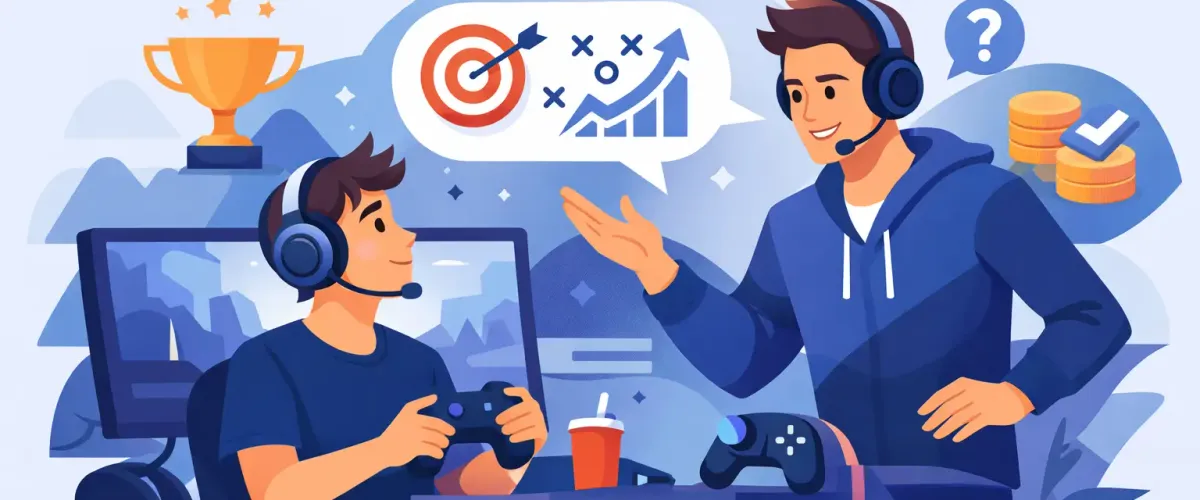
Show up with a goal. “I want to get better” is too broad. “I keep losing lane pressure in mid,” “my impact falls off after the early game,” or “I win aim duels but still lose rounds” gives the session direction.
Bring recent gameplay if possible. A VOD from your normal matches says more than your best highlight game ever will. Be honest about your habits, your role, your rank, and how often you play.
Then do the hard part after the session. Focus on one or two changes, not ten. Track whether you are actually applying them. Improvement is not just hearing good advice. It is repeating the right adjustment until it sticks.
That is why structured coaching platforms can help. When you can choose coaches by game, role, price, language, and reviews, it is easier to find someone who matches your goals instead of forcing a one-size-fits-all lesson. BetterGamer is built around that exact idea - getting players in front of vetted coaches who can deliver targeted feedback, not vague hype.
So, are gaming coaches worth it? If you are serious about improving, tired of guessing, and ready to act on feedback, they often are. Not because a coach plays for you, but because they help you see your game with more precision than you can on your own.
The best players are not the ones who never need help. They are the ones willing to find the fastest path to better habits and take it.