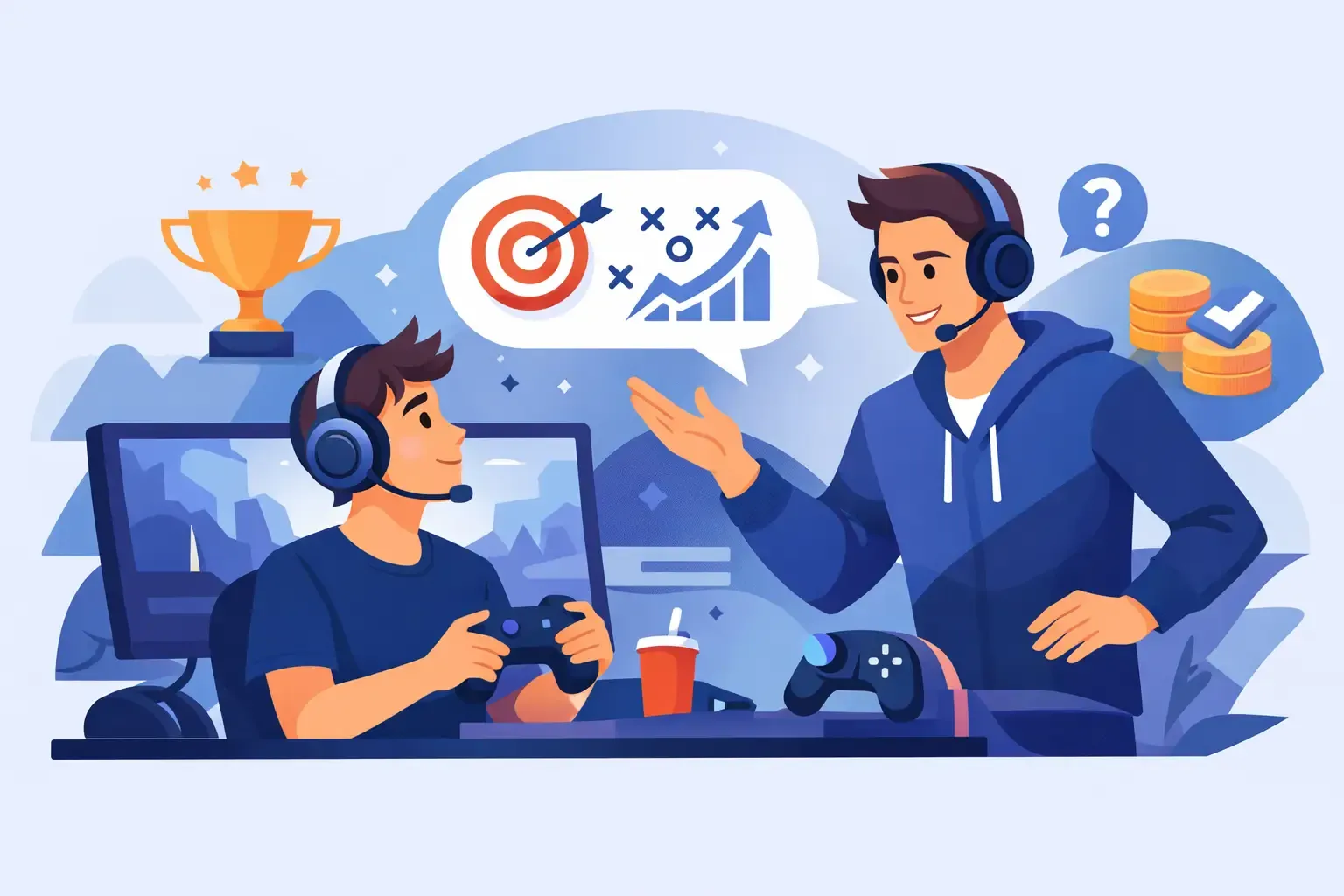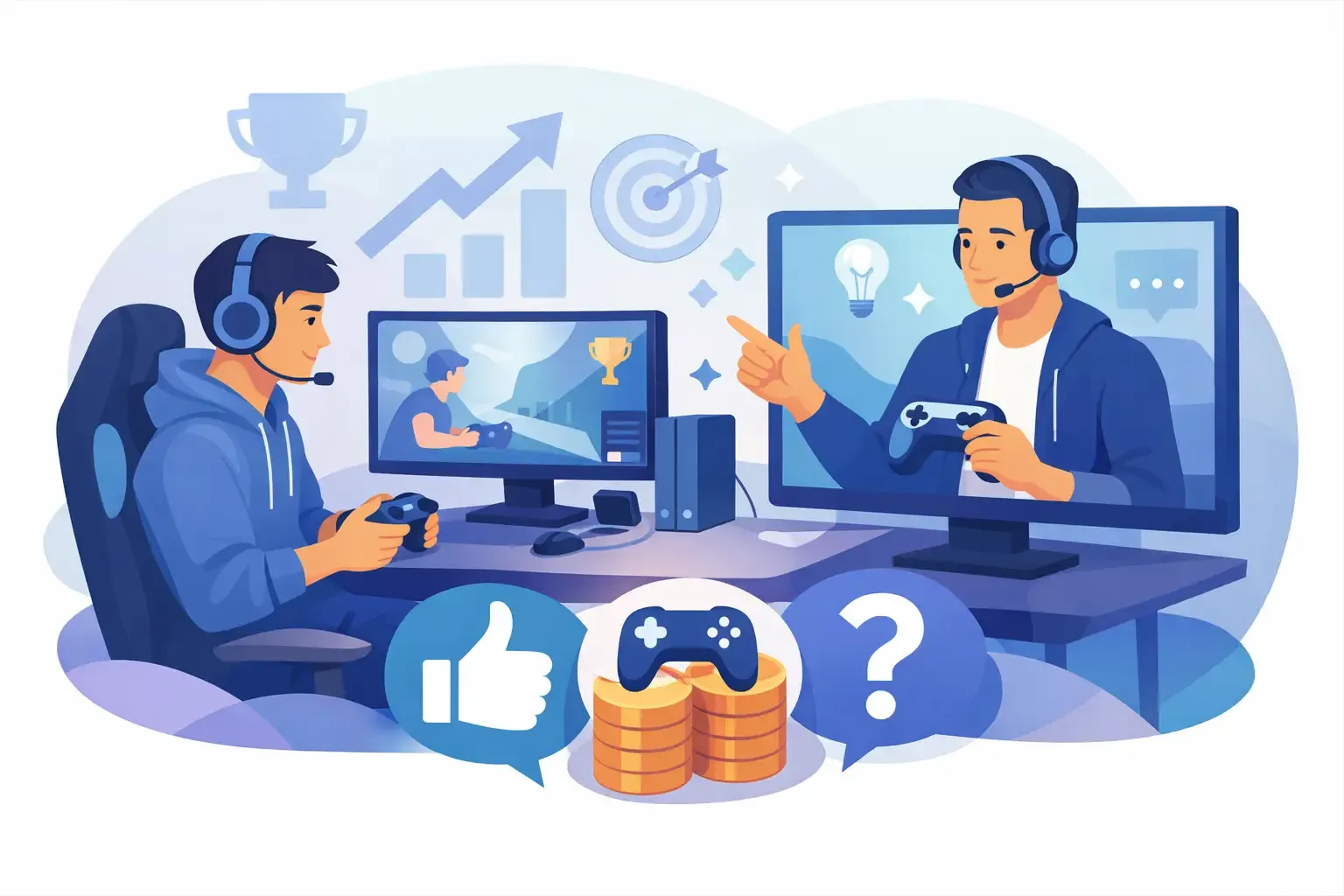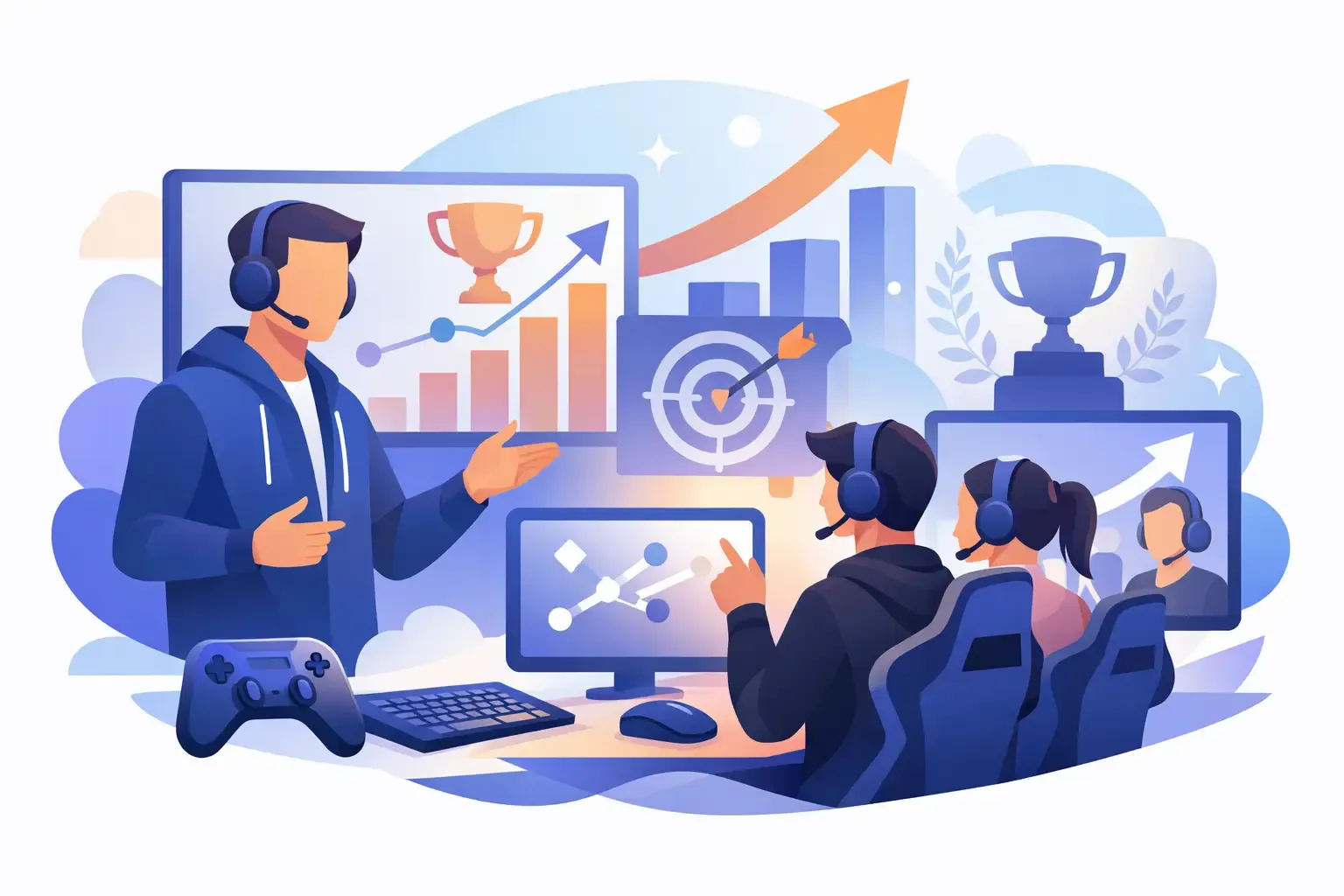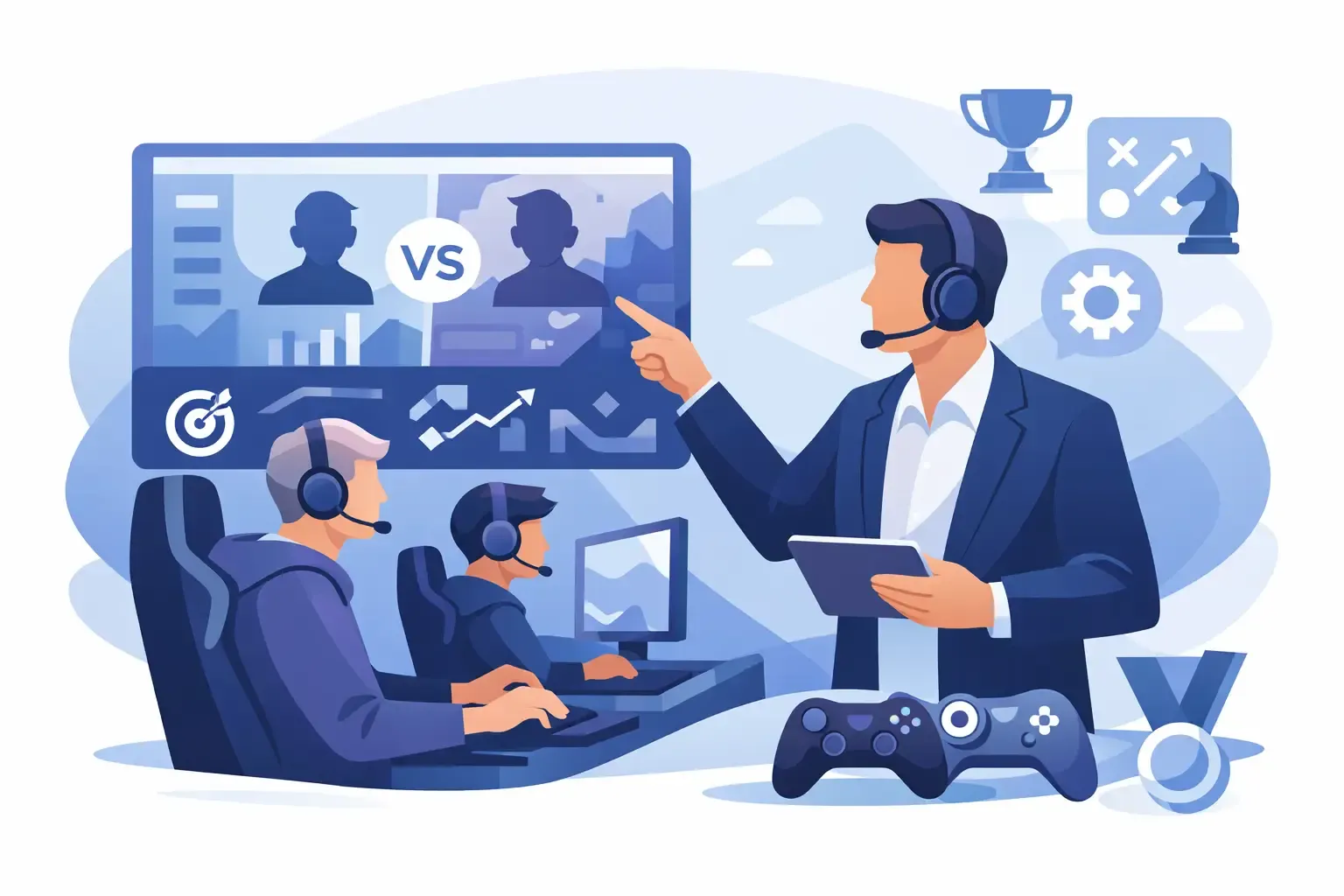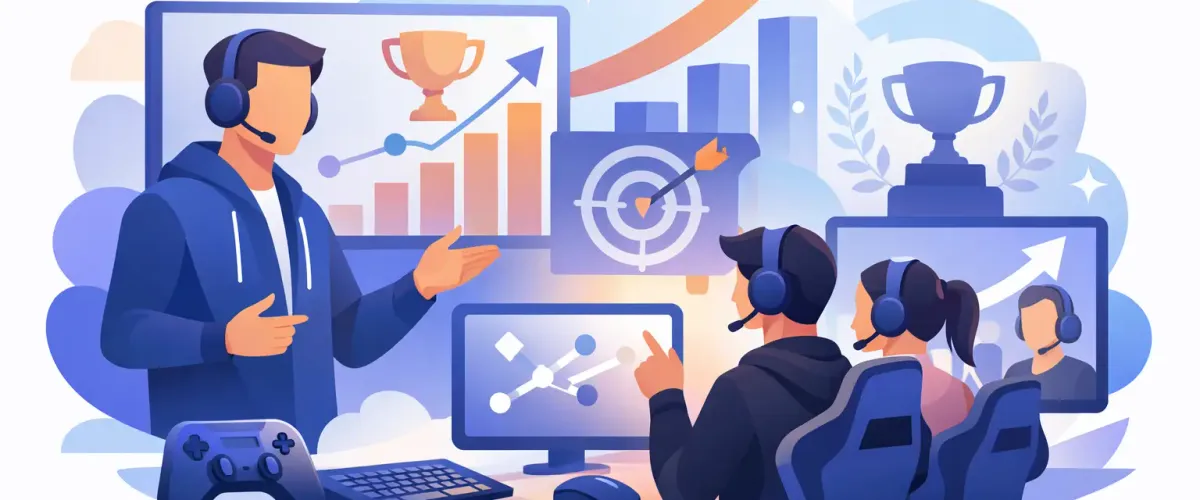
A lot of players say they want the best gaming coach for rank up, but what they usually mean is simpler: they want to stop wasting weeks on blind grinding and finally understand why their rank is stuck.
That difference matters. A coach is not just someone with a higher badge than you. If your goal is real ladder progress, the best coach is the one who can spot your patterns fast, explain them clearly, and give you a repeatable path to better decisions under pressure. Rank comes after that.
What the best gaming coach for rank up actually does
The strongest coaches do more than point out mistakes. They identify the few mistakes that are costing you the most games.
That sounds obvious, but a lot of players get overwhelmed by feedback. They hear ten issues in one review, try to fix all ten, and improve none of them. A good coach narrows the focus. Maybe your aim is decent, but your spacing is poor. Maybe your mechanics are fine, but your economy choices, rotations, or cooldown usage are bleeding rounds. Maybe your laning is stable, but your mid-game decisions lose your lead every match.
The best gaming coach for rank up helps you separate signal from noise. Instead of giving you generic advice like "play smarter" or "be more aggressive," they turn improvement into something you can act on in your next queue.
Rank-up coaching is not the same as entertainment
There is a big difference between a content creator who is fun to watch and a coach who can make you better. Some high-level players are incredible at the game and terrible at teaching it. They know what works for them, but they cannot break it down for someone in Gold, Platinum, Diamond, or Ascendant without skipping steps.
That is where many players get burned. They book a session with a cracked player, hear a lot of advanced jargon, and leave impressed but not improved.
Teaching is a separate skill. The right coach can adjust to your level, your role, your champion pool or agent pool, and your pace of learning. They know when to simplify and when to push. If they cannot meet you where you are, their rank does not help you much.
The signs you are ready for coaching
You do not need to be hardstuck for a year to benefit from coaching. In fact, the best time to get help is often earlier, before bad habits harden.
If your matches feel inconsistent, if you are losing games you cannot explain, or if your improvement depends too much on random streaks, coaching makes sense. The same is true if you review your own gameplay and still cannot tell what your biggest issue is. Self-awareness is useful, but it has limits. Most players are either too harsh on themselves or too forgiving in the wrong areas.
A coach adds outside perspective. That alone can speed up progress more than another fifty solo queue games.
What to look for in the best gaming coach for rank up
Start with game-specific expertise. A great FPS coach is not automatically the right fit for a MOBA, and even within a game, role knowledge matters. A support player in Overwatch 2 or League of Legends needs different guidance than a duelist or a jungler. The more your coach understands your exact lane, role, or playstyle, the more precise their feedback will be.
Next, look for proof of teaching ability. Ratings, reviews, repeat students, and clear session structures matter. You want to know whether the coach can consistently deliver value, not just whether they peaked high rank once.
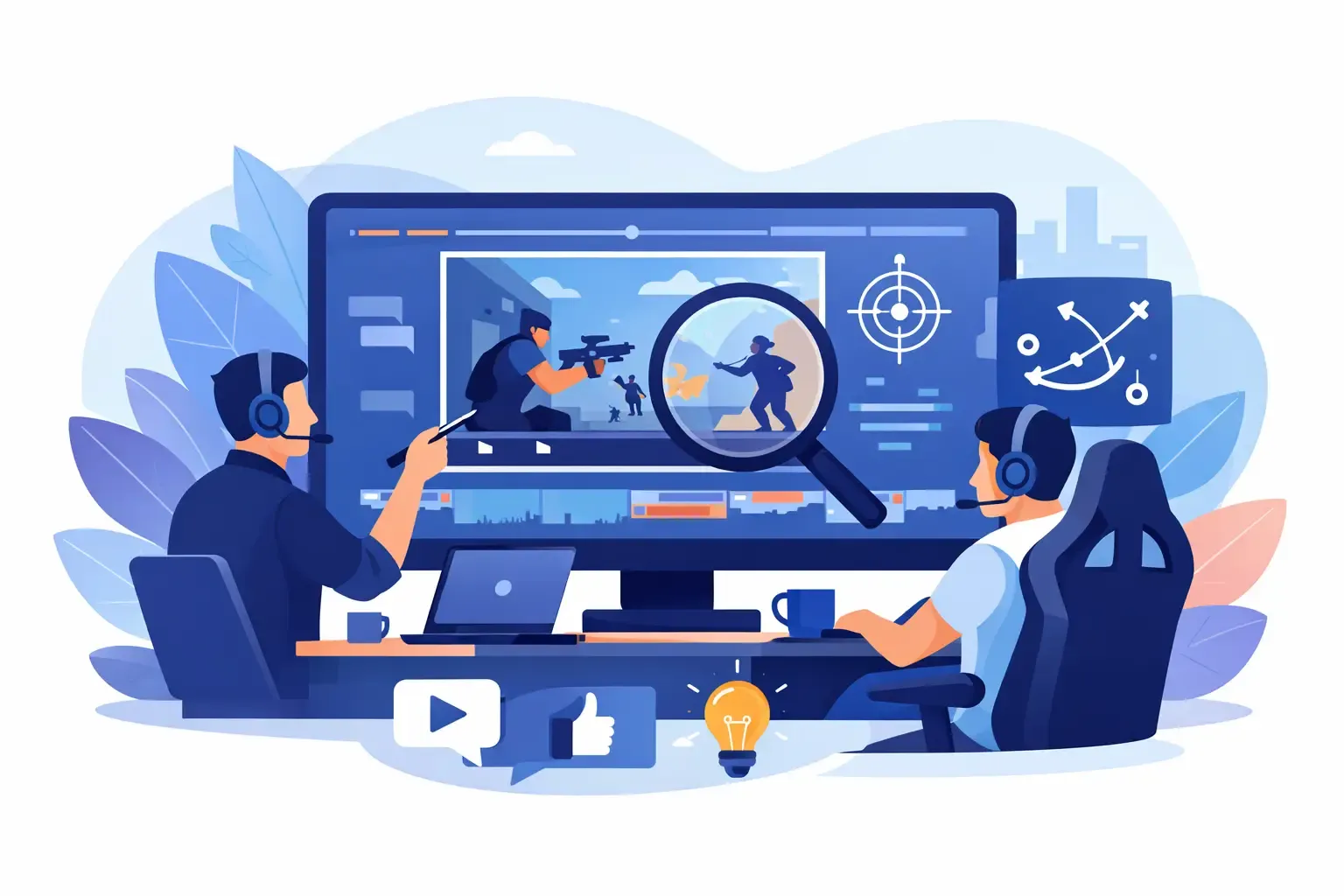
You should also pay attention to format. Some players improve fastest through live gameplay coaching because they need in-the-moment correction. Others get more from VOD review because it slows the game down and exposes patterns. Duo coaching can help if decision-making collapses under pressure, while custom improvement plans are strong for players who need structure between sessions.
The best fit depends on how you learn. There is no single perfect format for every player.
A good coach gives you a system, not just a session
One great session can be useful. A real rank climb usually comes from what happens after it.
The best coaches build a system around your improvement. That means giving you one or two priority goals, drills or habits to practice, and a way to measure whether you are actually fixing the issue. If your coach tells you to "work on positioning," that is too vague. If they tell you to hold wider on defense, stop re-peeking after utility, and track your deaths in the first 20 seconds of rounds, that is coachable.
This is where serious players separate from hopeful players. You do not rank up because you heard good advice. You rank up because you applied the right advice enough times for it to change your default play.
Beware of the wrong promises
If someone guarantees a specific rank in a short time, be careful. Improvement is real, but it is not mechanical. Your results depend on your baseline skill, game knowledge, consistency, available practice time, and how well you implement feedback.
A credible coach talks about process and measurable gains. Better crosshair placement. Cleaner pathing. Smarter ult economy. More efficient trading. Stronger wave management. Better map awareness. Those things create rank movement, but they do not obey a scripted timeline.
The best coaching feels demanding, not magical.
Why personalization matters more than generic tips
Most ranked players already have access to endless advice. There are tier lists, patch reactions, YouTube guides, TikTok clips, and stream highlights everywhere. The problem is not lack of information. The problem is knowing which information applies to you.
That is why personalized coaching works. Two players can be the same rank and need completely different fixes. One might need mechanical cleanup. The other might need confidence, pacing, and better fight selection. One player over-rotates. Another never rotates at all. One spams too many champions. Another has a narrow pool but no depth.
Generic advice treats all of them the same. Good coaching does not.
Platforms like BetterGamer are built around that difference, connecting players with vetted coaches across competitive titles so the feedback matches the game, role, and goals instead of forcing everyone into one-size-fits-all lessons.
The trade-off between price and value
Coaching is an investment, so price matters. But the cheapest option is not always the best value, and the most expensive coach is not automatically the best choice either.
If a lower-priced coach has strong reviews, clear communication, and a teaching style that fits you, they may be the smarter pick. On the other hand, if a premium coach can identify your core problems in one session and save you months of inefficient practice, that can be worth far more than the session cost.
The real question is not, "How much does coaching cost?" It is, "Will this coaching shorten the path between where I am and where I want to be?"
For serious players, that is the calculation that matters.
How to tell if coaching is working
Do not judge coaching only by your next three games. Ranked variance is real. You can play better and still lose. You can also play badly and win because your team carries.
Instead, watch for stronger habits. Are you spotting mistakes faster in real time? Are you entering rounds or fights with a clearer plan? Are your deaths cleaner? Are you wasting fewer cooldowns, missing fewer timings, or making fewer autopilot plays? That is progress.
Rank usually follows cleaner habits, but not always instantly. The strongest players understand this. They track performance first and rating second.
Choosing the right coach for your next step
If you are trying to find the best gaming coach for rank up, do not chase the flashiest profile. Chase alignment.
Find a coach who understands your game, your role, and your current level. Make sure they can teach, not just play. Look for a structure you can follow after the session ends. And be honest about what you need most right now - mechanical sharpening, macro understanding, confidence, accountability, or a complete reset on fundamentals.
The right coach will not just tell you what better players do. They will help you do it consistently, in your own games, under real pressure.
That is when ranked starts to feel different. Not easier - just clearer. And once the game gets clearer, climbing stops feeling like luck and starts feeling earned.