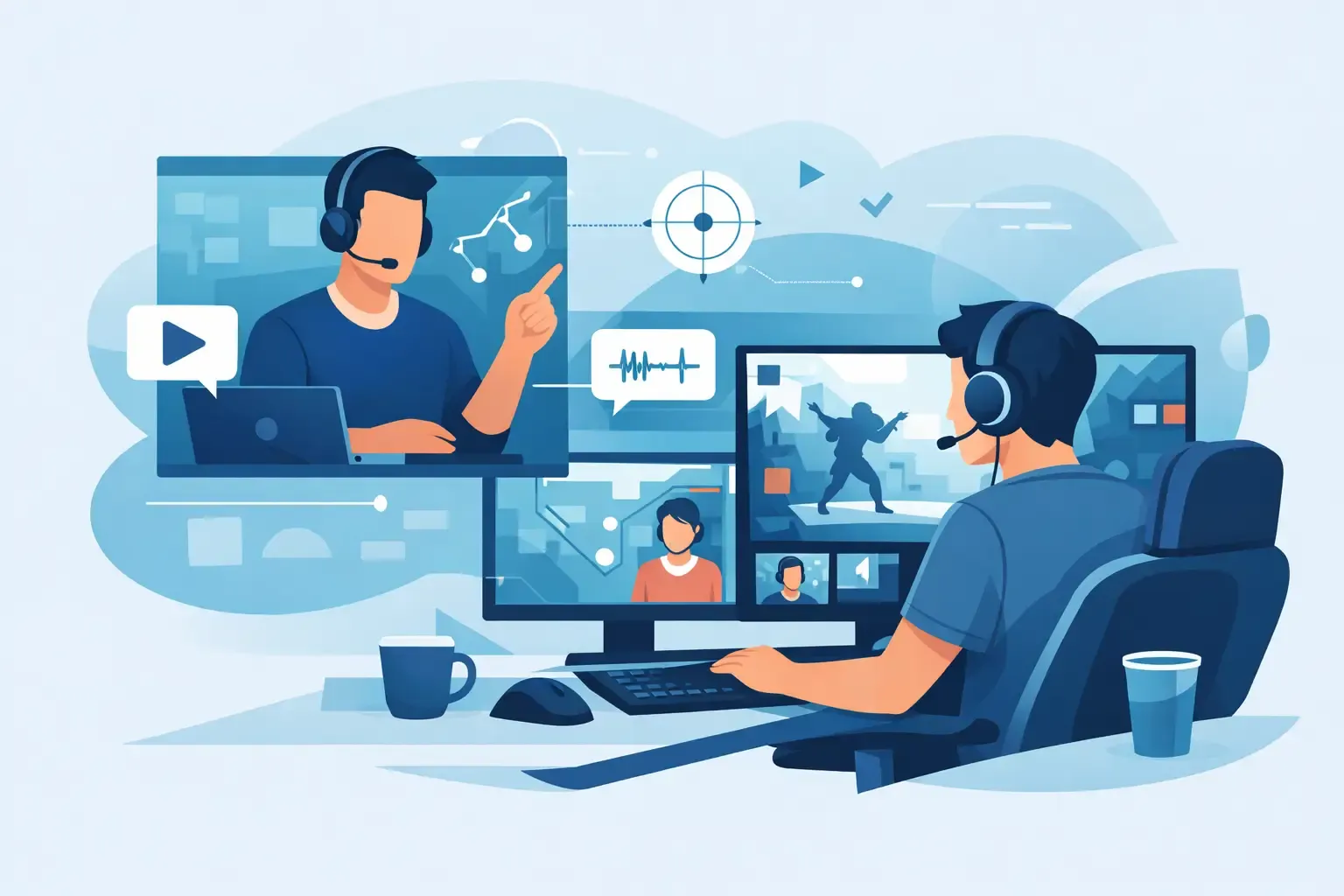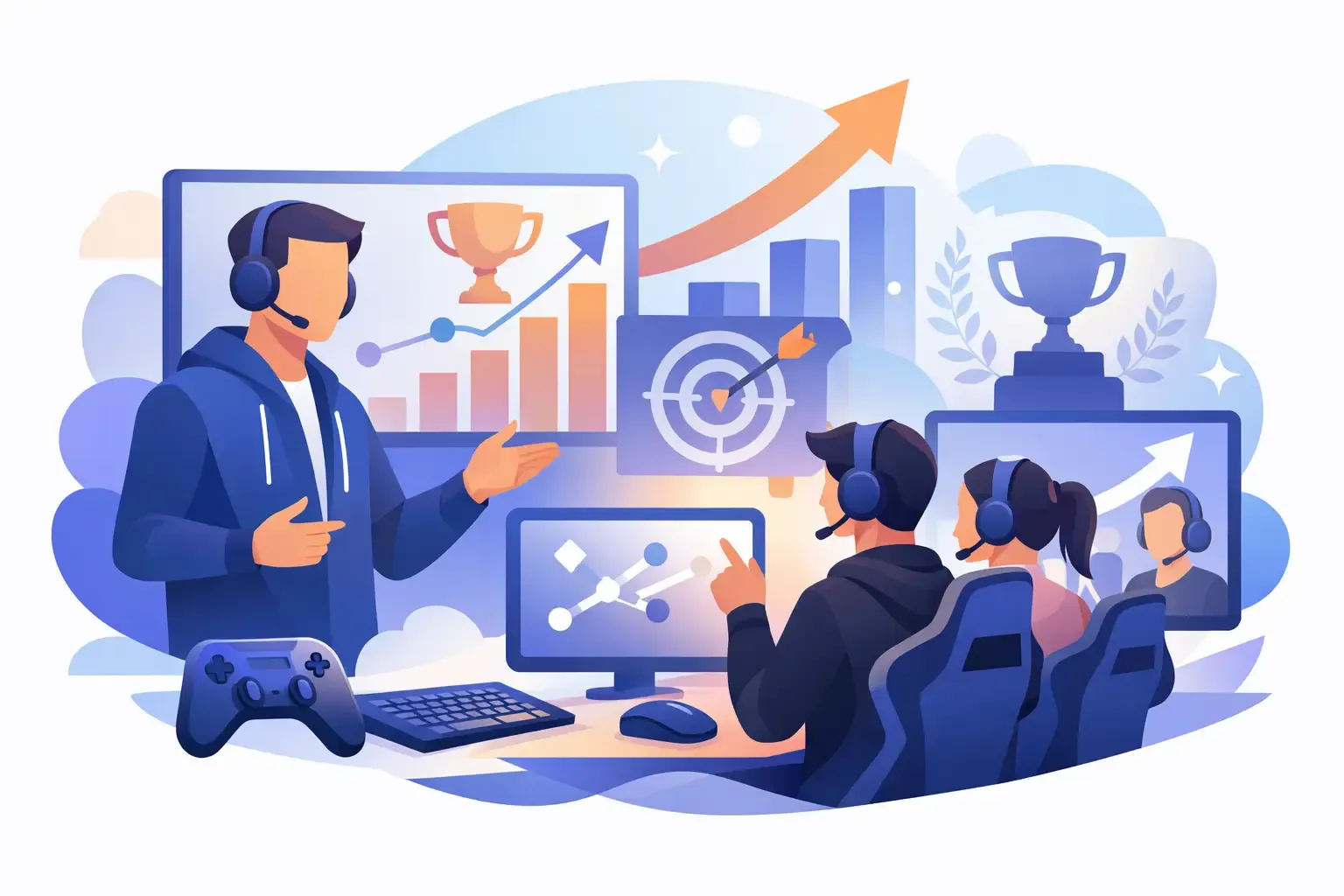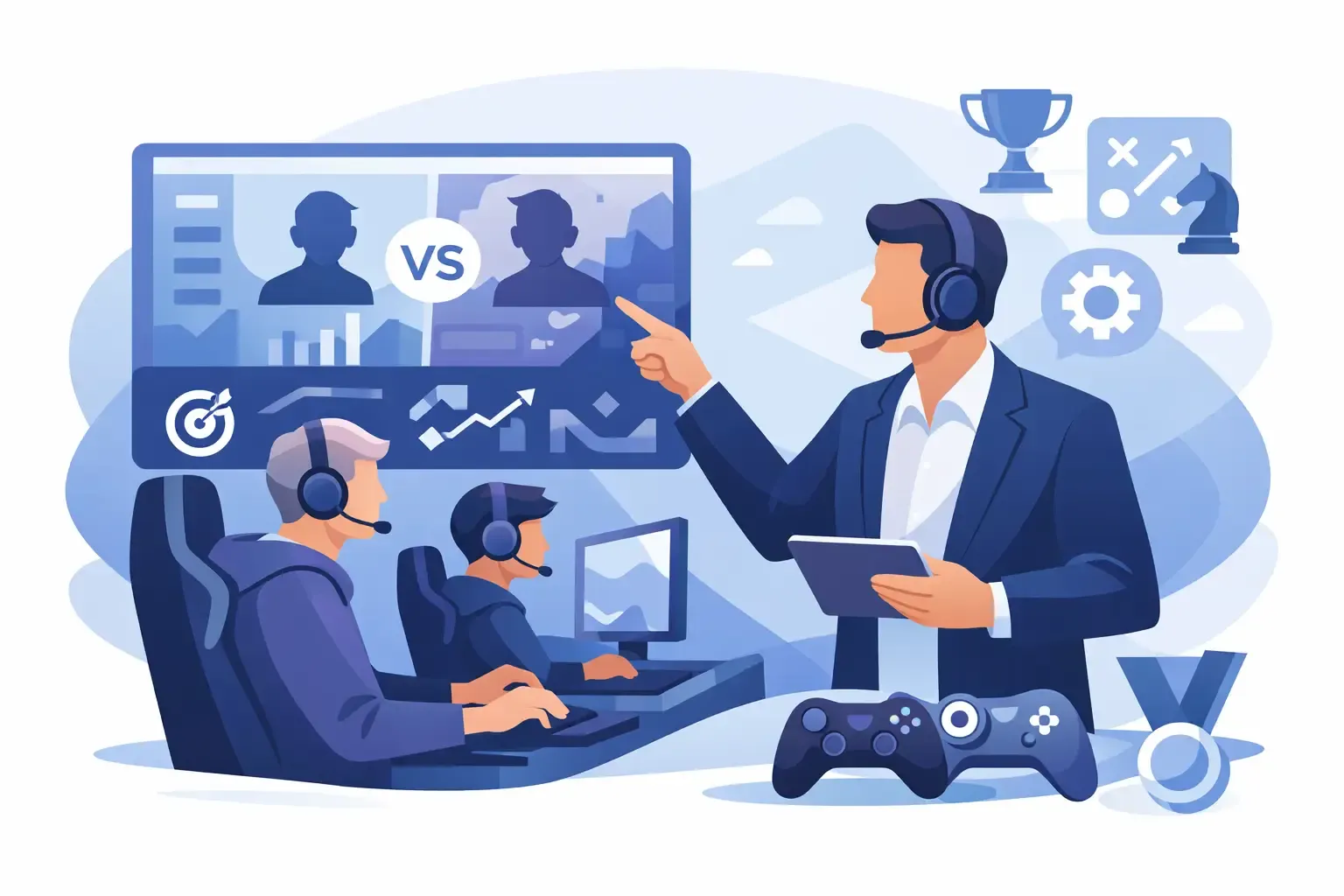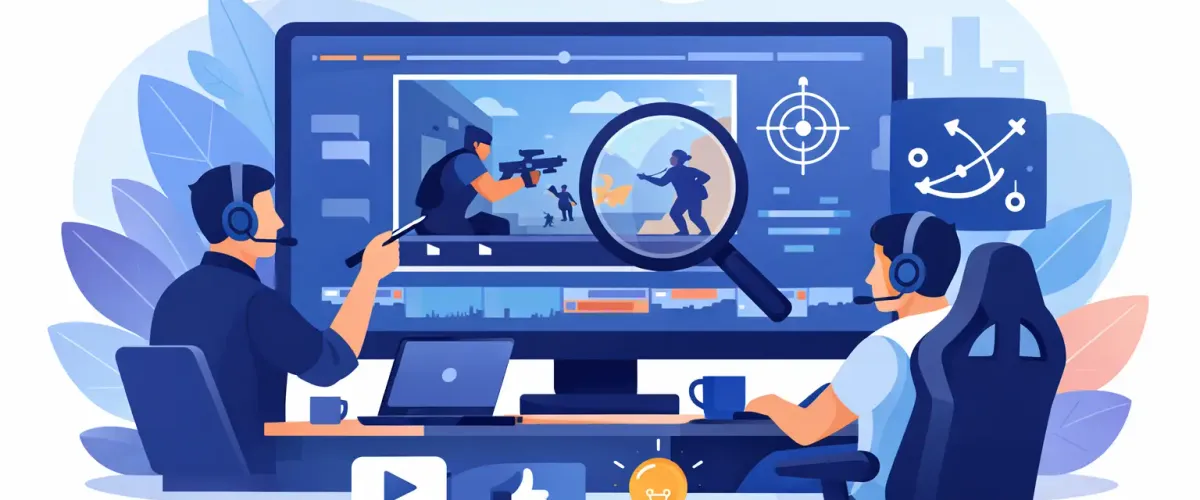
You lose a ranked match, queue again, and tell yourself you already know what went wrong. Bad aim. Bad teammates. Bad luck. Then you watch the replay with a coach and realize the real issue started three minutes earlier with a weak rotate, a wasted cooldown, or a timing window you never saw. That is why vod review coaching for gamers has become one of the fastest ways to improve.
For serious players, replay analysis is not just about reliving mistakes. It is about turning messy matches into clear patterns. A strong coach can show you why a fight was lost before the first shot landed, why your lane lead never became map pressure, or why your mechanics look fine until decision-making breaks under pressure. If you want to rank up with more consistency, this kind of feedback matters.
Why vod review coaching for gamers is so effective
A live coaching session shows how you think in the moment. A VOD review shows how you actually play over time. That distinction matters because many players remember the highlights and forget the habits. Replays remove that bias.
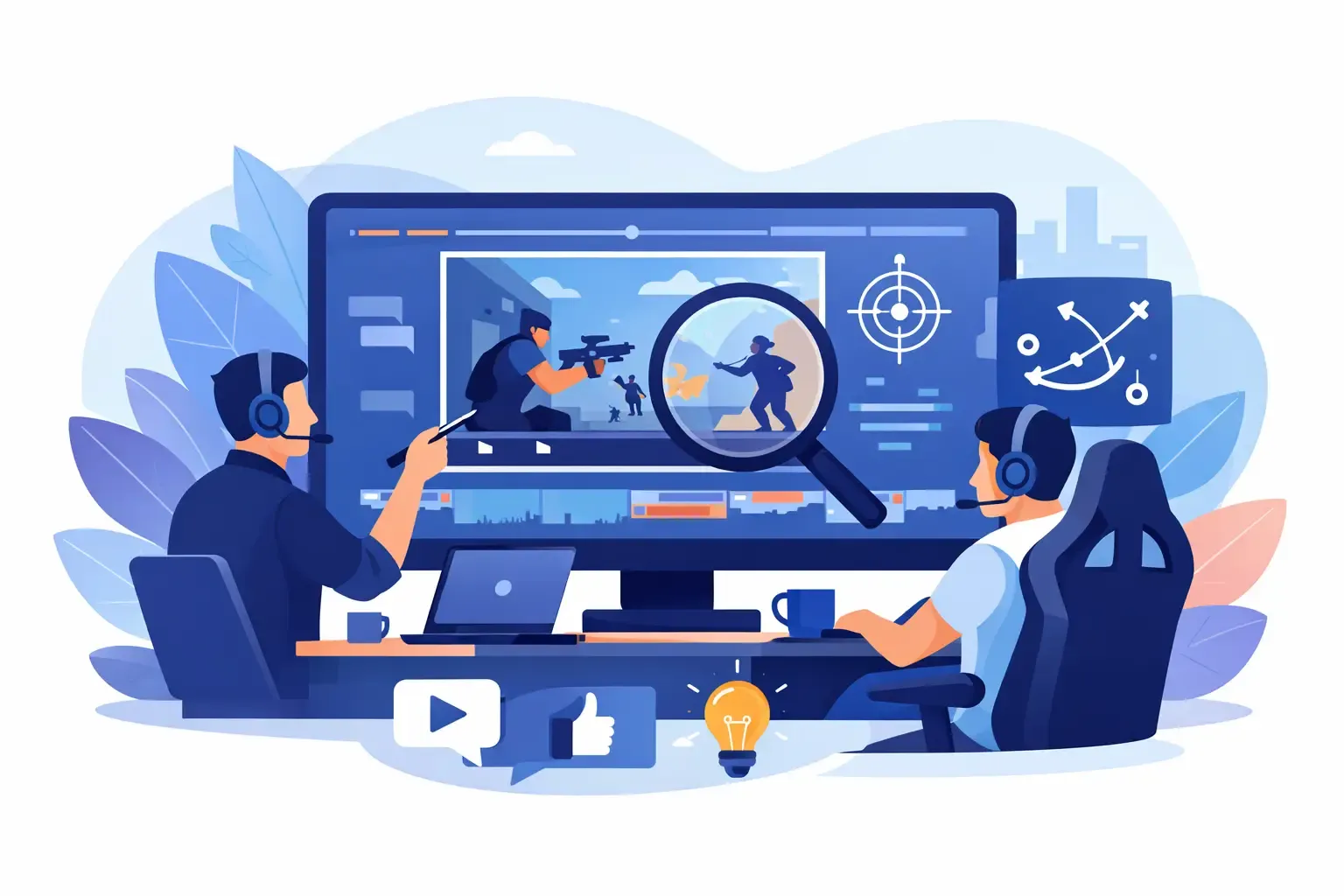
When a coach reviews your gameplay, they can pause on exact moments that decide games. In Valorant, that might be poor utility layering, risky spacing, or a predictable angle repeat. In League of Legends, it might be wave mismanagement, weak recall timing, or failing to convert priority into objectives. In Rocket League, the issue may not be mechanics at all, but boost pathing and rotation discipline.
The biggest value is precision. Generic advice like "play safer" or "work on awareness" sounds useful, but it rarely changes results. A real VOD review gives you specifics. Hold this angle only with support utility. Stop contesting that wave state without jungle information. Rotate back post instead of cheating forward with low boost. Better decisions come from specific corrections, not motivational speeches.
What a good VOD review should actually cover
Not every replay review is worth your time. Some are just commentary. Good coaching is structured, game-specific, and focused on repeatable improvement.
A high-level coach usually starts by identifying your current goals and rank context. Advice for a Silver player should not sound like advice for an Immortal player. Likewise, a support main in Overwatch 2 needs a different review lens than an entry fragger in Counter-Strike. Context changes what matters most.
From there, a strong review usually breaks gameplay into a few key categories. Mechanics matter, but they are only one piece. Positioning, tempo, resource management, communication choices, map awareness, and win-condition recognition often decide more games than raw aim alone. That is why many players plateau even when they spend hours in aim trainers or free play.
The best coaches also avoid overloading you. If a session points out twenty mistakes, you will remember two. Good vod review coaching for gamers narrows the focus to the highest-impact fixes first. That might mean one core habit for early game, one for teamfights, and one for closing out leads. The goal is not to prove how much the coach knows. The goal is to give you a plan you can apply in your next session.
The players who benefit most from VOD reviews
VOD coaching is especially powerful for players who feel stuck despite putting in time. If you grind ranked every week, consume guides, and still bounce between the same divisions, there is usually a blind spot in your process. Replay analysis exposes it faster than guesswork.
It is also ideal for players with inconsistent performance. Maybe one day you look locked in, and the next you make basic mistakes. That usually points to unstable habits, not a lack of talent. A coach can identify what holds up under pressure and what falls apart once the game speeds up.
Even advanced players benefit. The higher you climb, the less improvement comes from broad tips and the more it comes from small details. Better pathing. Cleaner setup before objectives. Smarter risk management when ahead. In competitive games, those edges stack.
Newer players can gain a lot too, but the approach should be simpler. A beginner often needs fundamentals explained in plain language, with fewer concepts per session. An experienced coach knows when to teach core structure and when to go deep on advanced decision-making.
Live coaching vs. VOD review coaching for gamers
This is not an either-or question. It depends on what you need most right now.
Live coaching is great for real-time adaptation. Your coach can see hesitation, autopilot decisions, and how you respond under pressure. That makes it useful for communication habits, confidence, and in-the-moment corrections.
VOD reviews are better for slowing the game down. They let both player and coach study decision chains without the chaos of live play. You can stop on a single mistake, discuss alternatives, and connect it to a broader pattern. That level of clarity is hard to get while a match is still happening.
For many players, the strongest path is a mix of both. Use VOD analysis to diagnose the problem, then use live sessions to reinforce the fix. That combination is efficient because it turns insight into execution.
How to get more value from a VOD coaching session
You do not need a perfect replay. You need an honest one. Players often want to submit either a stomp win or a complete disaster, but the best VOD is usually a close, competitive match where your decisions actually mattered. Those games reveal the habits that shape your rank.
Before the session, know what you want help with. If your question is too broad, the review can drift. Saying "I want to understand why I lose mid-game control" or "I struggle to carry after winning lane" gives the coach something actionable to work with.
During the review, pay attention to patterns, not just moments. One missed shot might be noise. Repeating the same risky peek, late rotation, or wasted cooldown is the real story. Improvement comes from fixing what repeats.
After the session, keep your action plan small. Pick a few corrections and drill them deliberately over your next set of games. If you try to change everything at once, your decision-making usually gets worse before it gets better. Focus creates faster progress.
What to look for in a VOD coach
The first thing to look for is credibility. You want a coach with proven game knowledge, role expertise, and a track record of helping players improve. High rank matters, but teaching skill matters too. Not every strong player is a strong coach.
You also want clarity. A coach should be able to explain complex situations in a way that fits your level. If the feedback sounds impressive but leaves you confused, the session will not move your gameplay forward.
Structure matters just as much. Strong coaches do not just point out errors. They organize feedback into priorities, explain the why behind each adjustment, and give you practical next steps. On a platform like BetterGamer, that combination of verified experience, visible ratings, and game-specific coaching options makes it easier to find someone who matches your goals.
Finally, look for fit. Some players want direct, hard-edged feedback. Others learn better with a more supportive style. The right coach pushes you without making the process feel vague or overwhelming.
Common mistakes players make with replay analysis
The biggest mistake is treating a VOD review like entertainment instead of training. Watching your mistakes is not enough. If nothing changes in your practice after the session, the replay was just content.
Another mistake is obsessing over mechanics when the bigger problem is decision-making. Players love visible errors because they are easy to spot. Missed shots stand out. Poor positioning two seconds earlier usually does not. But that earlier mistake is often what created the hard mechanic in the first place.
Some players also expect instant rank jumps after one session. Coaching accelerates improvement, but it still requires repetition. If a review exposes three major habits you have built over hundreds of games, replacing them takes intent. Progress can be fast, but it is rarely automatic.
That is also why the best players treat coaching like a performance system, not a one-off fix. They review, apply, test, and refine. That loop is where real growth happens.
If you are serious about climbing, stop relying on memory and frustration to explain your losses. Your replay already has the answers. The right coach helps you see them clearly, fix what matters first, and turn ranked games into measurable progress.