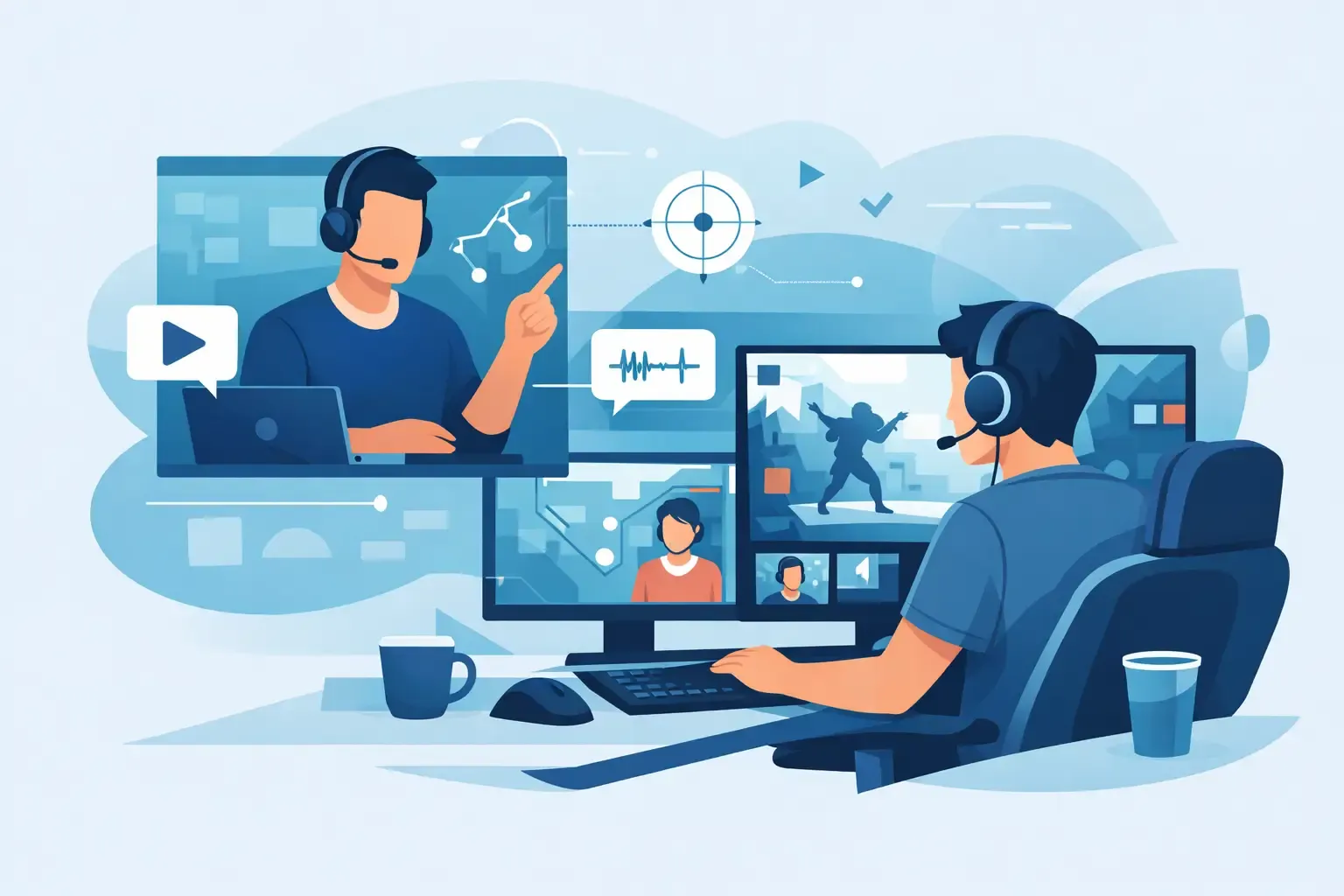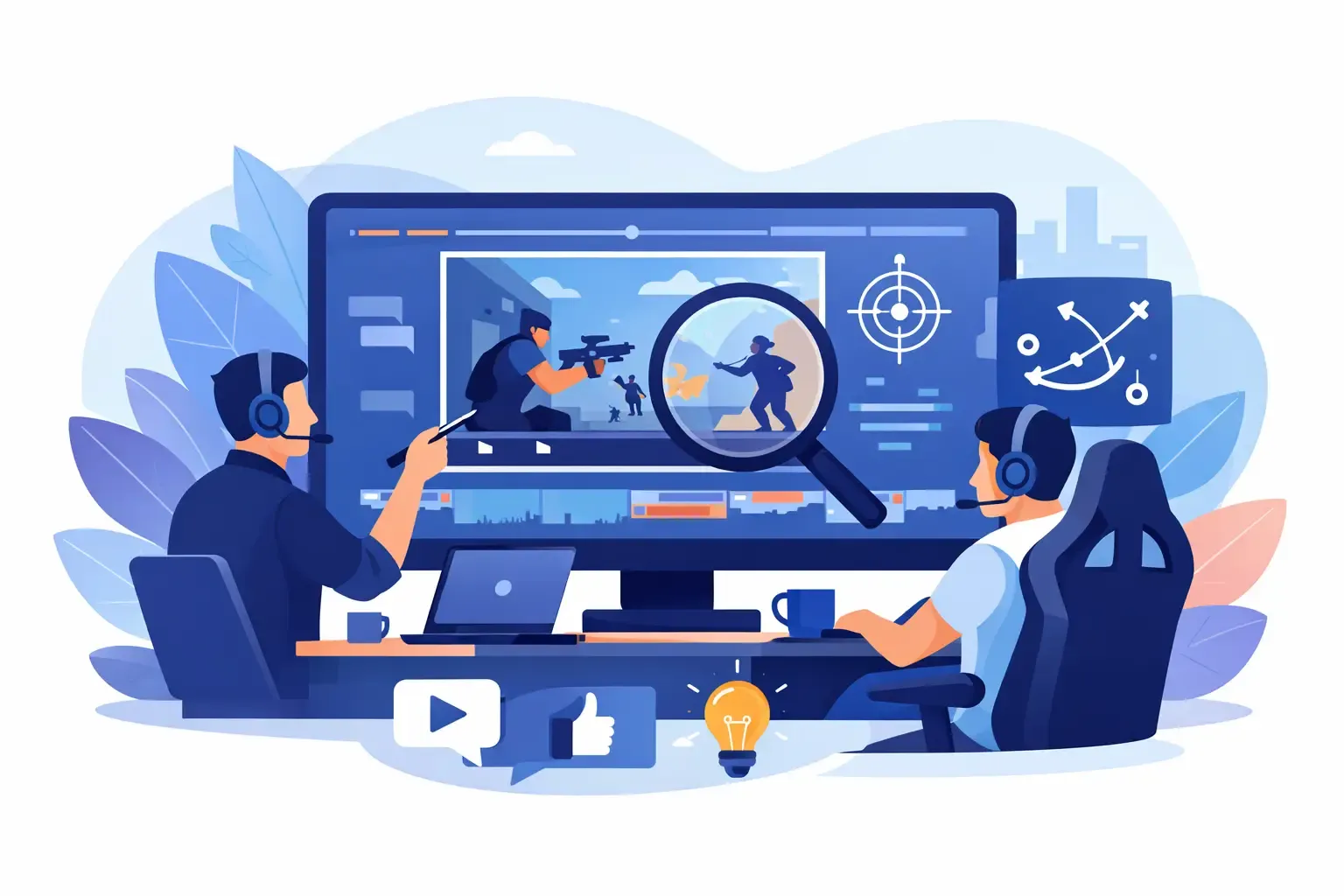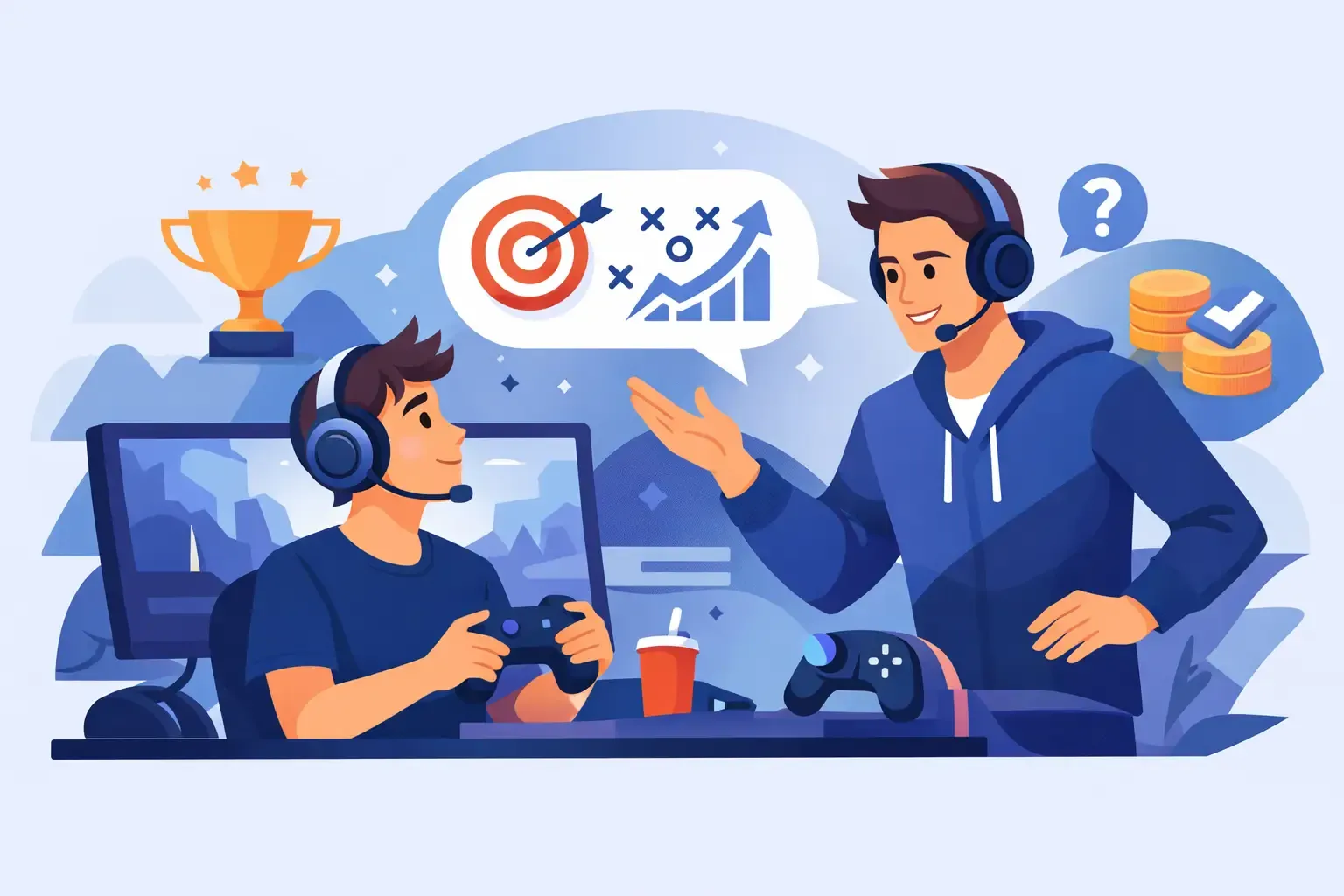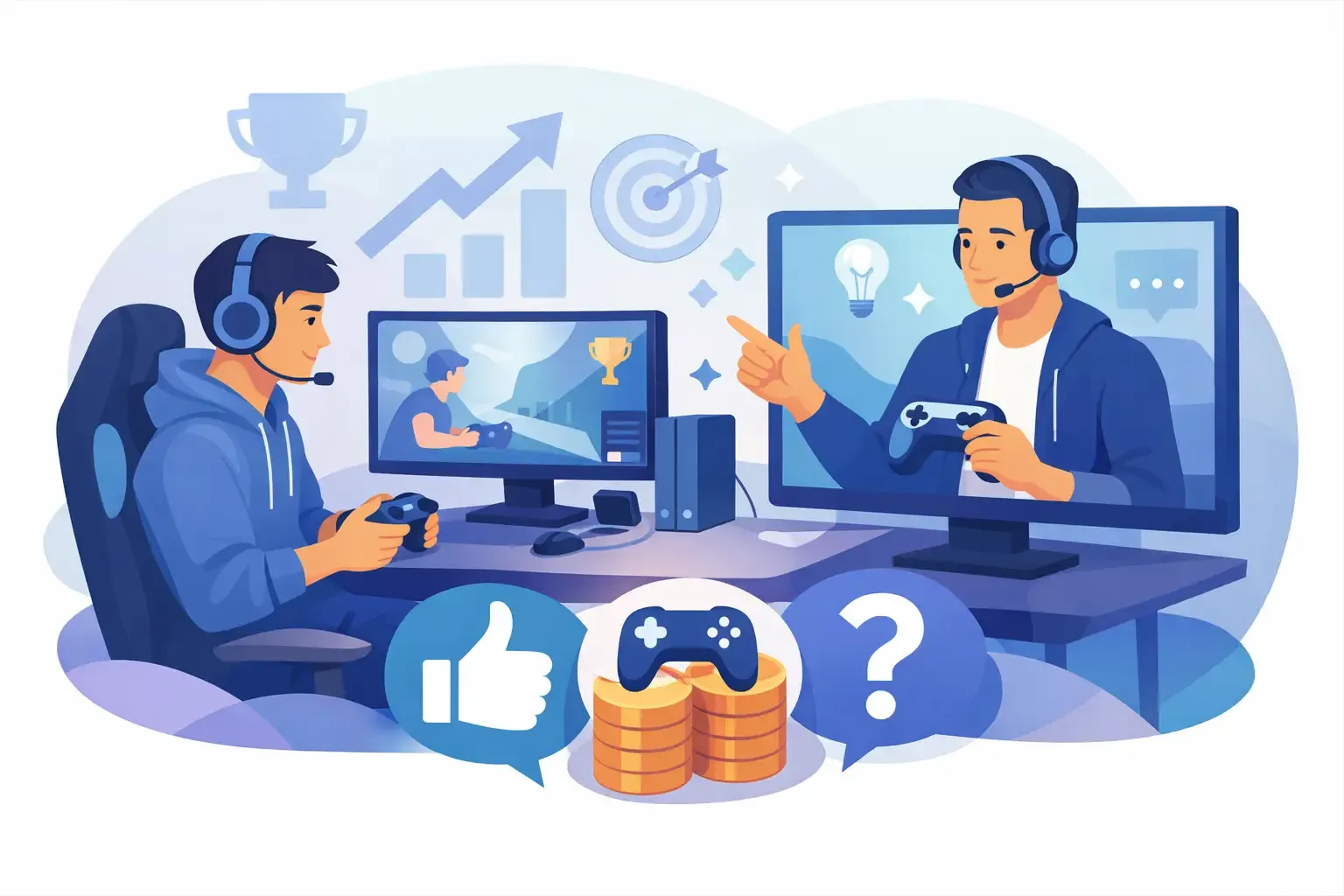
You queue up, feel sharp in warmups, then the match starts and the same problems show up again. Late rotations. Bad utility timing. Greedy peeks. Missed windows to punish. That is exactly where live gameplay analysis coaching changes the pace of improvement. Instead of guessing what went wrong after the fact, you get expert feedback while decisions are happening, when your habits are visible and fixable.
For serious ranked players, that difference matters. VOD review is useful, and solo grinding still has a place, but neither shows your thought process with the same clarity as a live session. A strong coach can hear your calls, watch your setup, track your decision-making, and catch the gap between what you meant to do and what you actually did. If your goal is to rank up faster, clean up recurring mistakes, or compete at a higher level, that kind of feedback is hard to replace.
What live gameplay analysis coaching actually does
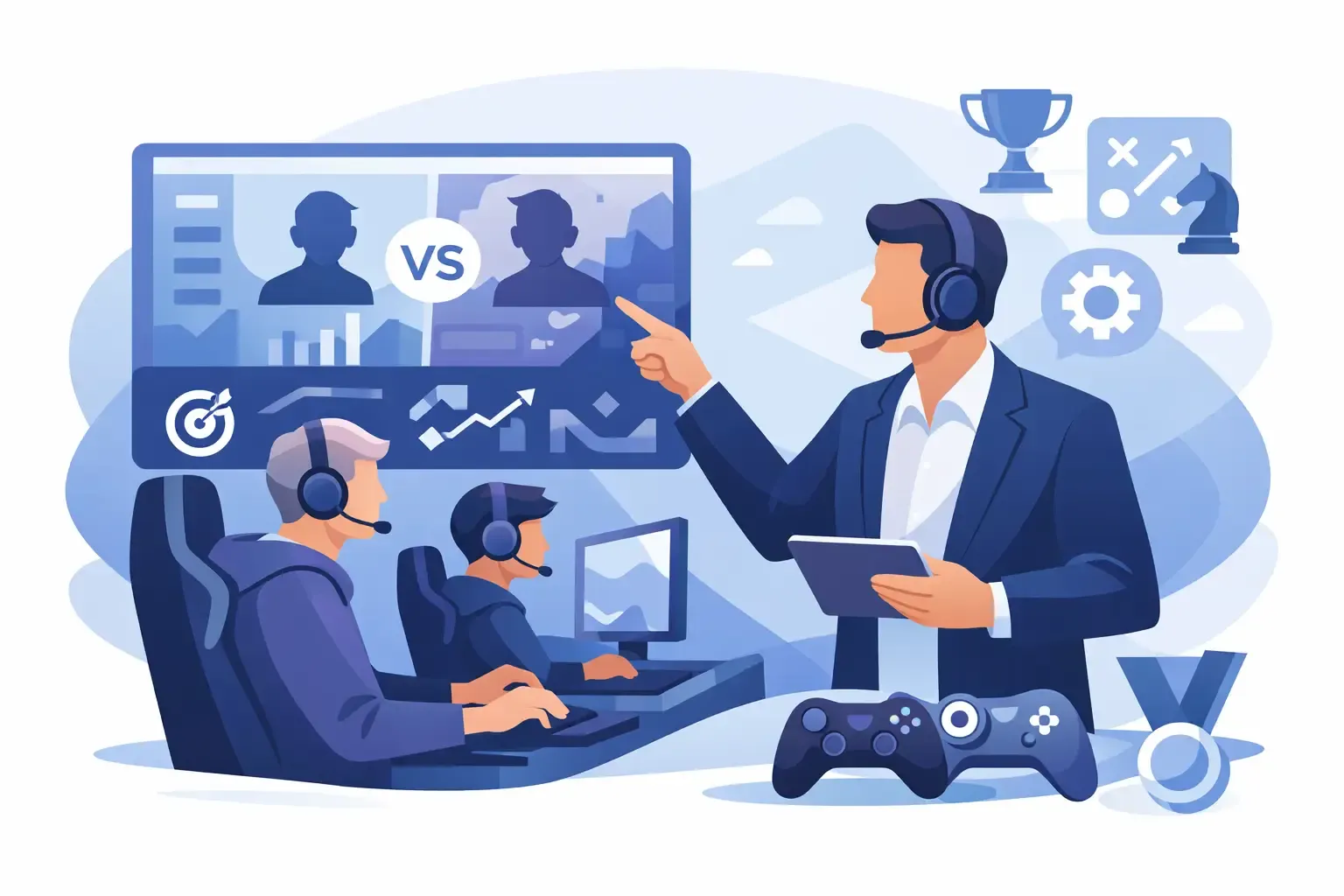
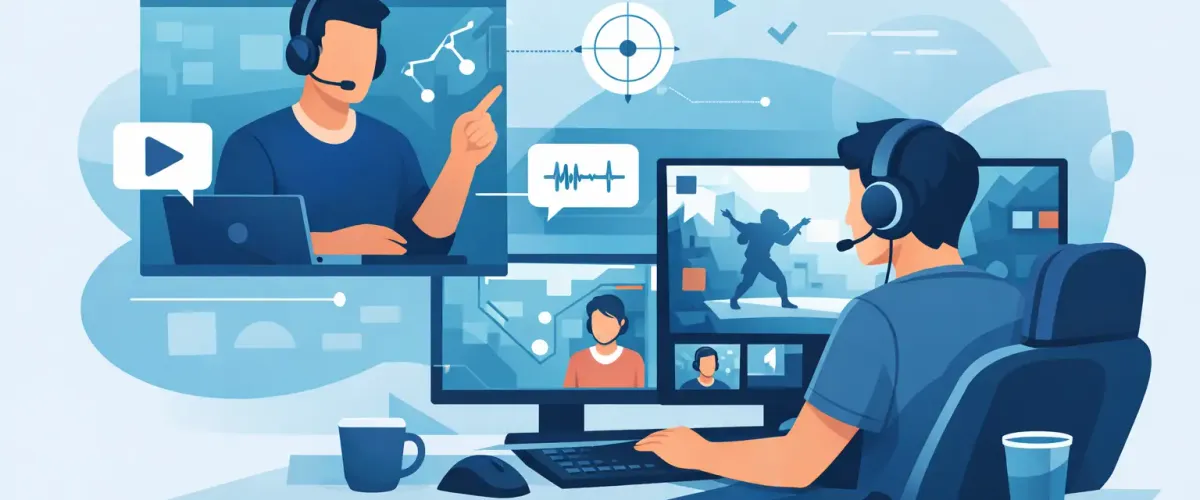
At its best, live gameplay analysis coaching is not someone backseat gaming every click. It is a structured session where an experienced coach watches your play in real time, listens to your reasoning, and helps you make better choices under pressure. The value is not just in spotting mistakes. It is in understanding why those mistakes happen repeatedly.
That matters because most players do not have a pure mechanics problem. They have a stack of smaller issues that feed each other. Maybe your aim drops because your positioning forces bad fights. Maybe your deaths spike because your map awareness breaks down when you are focused on farming. Maybe your comms get messy because you are unsure of the win condition. A live coach can see those connections much faster than you can on your own.
In games like Valorant, Counter-Strike, Overwatch 2, League of Legends, Apex Legends, and Rocket League, timing and decision quality often decide more games than raw talent. You can hit shots and still lose because your choices are half a second late. You can know a matchup and still throw the lane because your wave state was wrong. Live analysis helps you correct the decision before it becomes another bad habit.
Why real-time feedback beats review alone
Post-game review is great for pattern recognition. It gives you the full picture, slows the game down, and helps identify trends across multiple matches. But it has one weakness: it comes after the mistake, when the pressure, uncertainty, and speed of the moment are already gone.
Real-time coaching catches the exact point where your decision tree breaks. Your coach can ask what information you had, what you expected, and why you committed. That turns vague feedback like "play safer" into something specific and usable, such as holding your angle longer, rotating earlier off missing information, or delaying your engage until a key cooldown is forced.
This is also why some players feel stuck even after watching guides and studying high-level play. Knowledge is not the same as execution. You may understand what better gameplay looks like, but under pressure you default to familiar habits. Live coaching closes that gap because it trains the habit in the same environment where it normally fails.
There is a trade-off, though. Real-time feedback can be intense, especially for newer players who are already overloaded by the game itself. If the coach talks too much, your performance may dip during the session. That is not necessarily a bad sign. Sometimes short-term discomfort leads to long-term improvement. The key is working with a coach who knows when to intervene, when to let the play happen, and how to adjust to your level.
Who benefits most from live gameplay analysis coaching
This format is especially effective for players who know they are inconsistent but cannot explain why. If your rank swings hard, if one match feels clean and the next feels chaotic, live analysis usually exposes the hidden cause. It may be tunnel vision, poor tempo, weak planning, or an inability to adapt when the game goes off script.
It is also strong for role-specific learning. A support player needs different feedback than a duelist. A jungler needs different priorities than a top laner. A Rocket League player grinding rotations needs a different lens than one struggling with first touches. The best coaching is never generic. It is tied to your game, rank, role, and goals.
Beginners can benefit too, but the session should be framed differently. Newer players often need fundamentals, cleaner habits, and simpler priorities. More advanced players usually need sharper analysis around optimization, tempo, matchup planning, and consistency under pressure. Same format, different coaching lens.
What a strong session looks like
A productive live session usually starts before the queue pops. The coach should know what you want to improve, where you feel stuck, and what mode or role makes the most sense to analyze. That focus matters. If you try to fix mechanics, macro, communication, champion pool issues, and mental game all at once, you will leave with too much information and not enough traction.
Once the match starts, the coach is looking for patterns, not isolated errors. One bad fight does not mean much. Three bad fights created by the same setup problem tell a story. The best coaches track those patterns in real time and translate them into practical adjustments you can actually use next game.
Good feedback is specific. Not "be more aware." More like, "check minimap before contesting river," or "stop using movement ability to start fights when the enemy still has displacement." That level of precision is what turns coaching into performance improvement instead of motivation with gaming terms on top.
After the live portion, there should be a clear next step. Maybe you focus on one positioning rule for the next week. Maybe you limit your pool to tighten decision-making. Maybe you build a pre-round checklist or a lane plan for early levels. Improvement sticks when the session ends with a narrow, actionable plan.
What to look for in a coach
Credentials matter, but communication matters just as much. A high-ranked player is not automatically a strong coach. You want someone who can explain cause and effect clearly, adapt to your level, and give feedback that is direct without being vague or overwhelming.
Look for coaches with visible experience in your game and role, plus proof that players trust them. Ratings, reviews, coaching history, and specialization all help. So does flexibility. Some players respond best to active in-game correction, while others improve more with lighter intervention and a stronger post-game breakdown.
If you are booking through a marketplace like BetterGamer, this is where vetted coaches and transparent profiles make a real difference. You can find someone aligned with your game, goals, language, and schedule instead of gambling on random advice from forums, Discord, or ranked teammates who are just as tilted as you are.
The biggest mistake players make after coaching
They leave the session fired up, then immediately try to apply everything at once.
That usually backfires. Performance improvement is rarely linear, and live coaching often exposes more than one issue. If you try to rebuild your entire playstyle in one night, your confidence drops and your gameplay gets noisy. Better results come from narrowing your focus to one or two changes and repeating them until they feel automatic.
It also helps to judge progress the right way. Not every good session produces instant rank gains. Sometimes the early win is fewer unforced errors, better map checks, cleaner objective setups, or stronger communication. Those smaller improvements are often the reason rank moves later.
Live gameplay analysis coaching versus other formats
If you want immediate correction and habit-building, live gameplay analysis coaching is usually the strongest option. If you want deep pattern review across several matches, VOD review may be better. If you need matchup reps, duo sessions can be more practical. If your issues are broad and your goals are long-term, a custom improvement plan may give you the best structure.
The right format depends on where you are stuck. Players with strong game knowledge but weak execution often benefit most from live sessions. Players who feel lost strategically may need a wider review process first. Many serious players improve fastest by combining formats over time rather than expecting one session type to solve everything.
If your gameplay feels inconsistent, your losses feel repetitive, or your rank has stalled despite the hours you are putting in, that is usually a sign you do not need more games - you need better feedback. The right coach will not just tell you what went wrong. They will help you see your game more clearly, make better decisions under pressure, and build the habits that hold up when the match gets real.