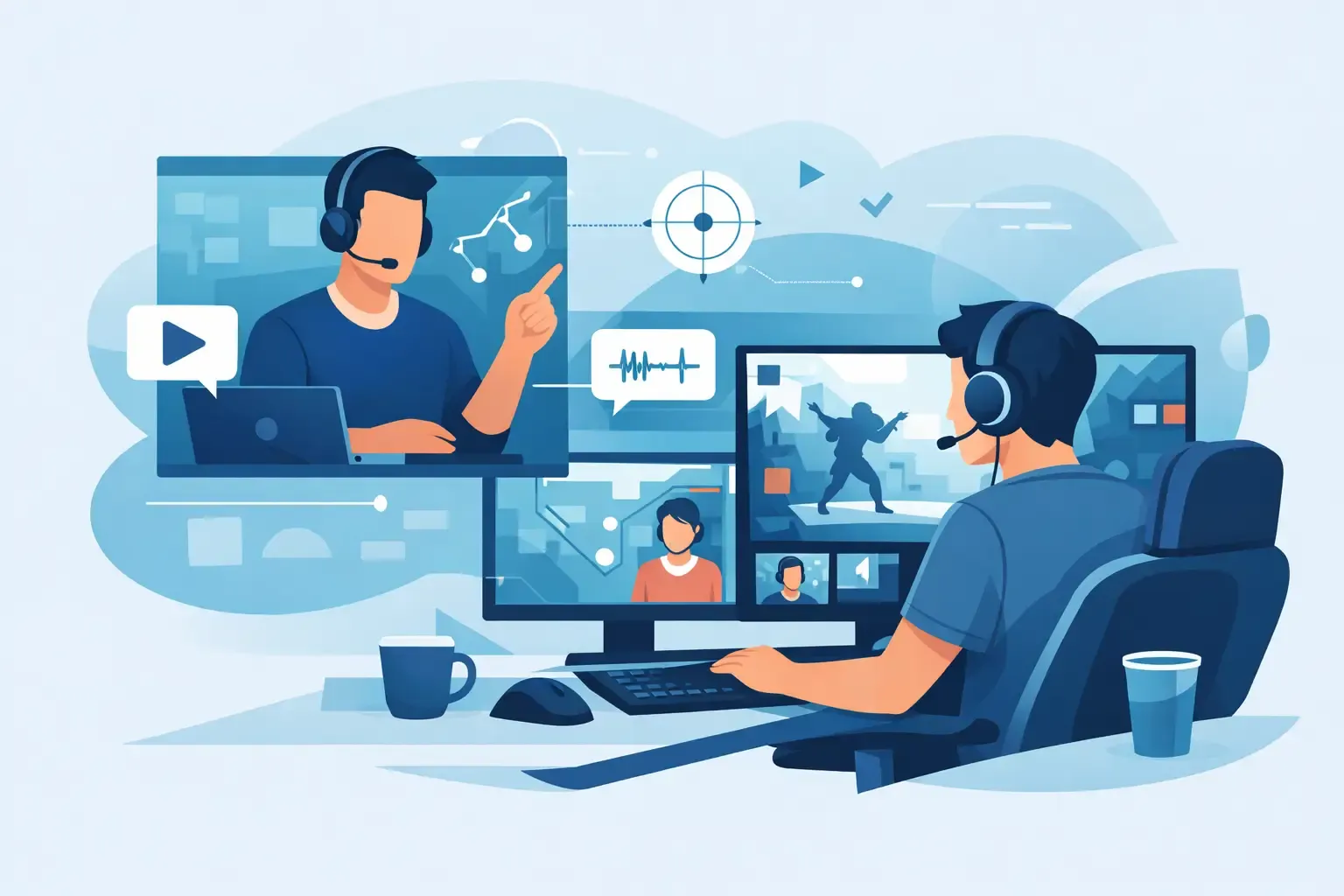
You queue ranked, warm up, and tell yourself this is the session where everything finally clicks. Then the same pattern shows up again - late rotations, bad fights, shaky mechanics, or a mid-game decision that throws the whole match. If that sounds familiar, one on one gaming coaching is usually not about learning more tips. It is about finding the exact reason your progress keeps stalling and fixing it with someone who can actually see what you are missing.
That is the real advantage of personalized coaching. Most competitive players are not held back by effort. They are held back by blind spots. You can watch guides, copy pro settings, and grind matches for weeks, but if you do not know which habits are costing you rounds, farm, positioning, or consistency, improvement stays slow. A good coach shortens that gap.
What one on one gaming coaching actually does
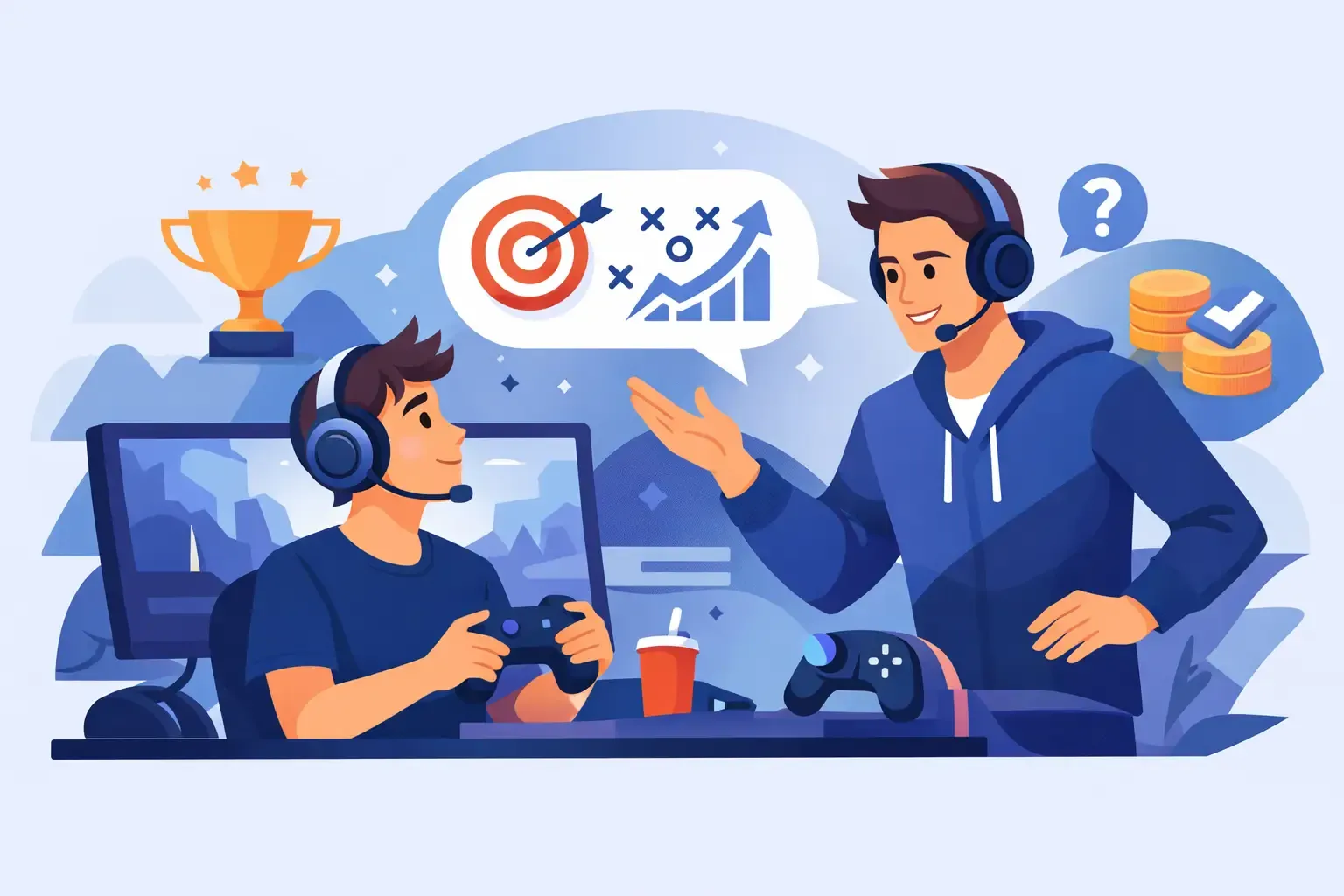
At its best, one on one gaming coaching turns vague frustration into a clear training plan. Instead of broad advice like play smarter or work on mechanics, you get feedback tied to your game, role, rank, and goals. That changes everything.
A League player might think they need better mechanics when the real issue is wave management and bad recall timing. A Valorant player might blame aim when they are actually losing rounds through predictable pathing and poor utility usage. An Apex player may feel hard stuck because of teammates, while the bigger problem is weak positioning before fights even start. Coaching helps separate what feels wrong from what is actually losing games.
That level of specificity matters because improvement in competitive games is rarely random. Strong players build repeatable decision-making. They understand when to fight, when to back off, how to use information, and how to adapt under pressure. One-on-one sessions make those patterns visible in a way self-review usually does not.
Why solo grinding stops working
There is value in volume. More reps can sharpen mechanics and build confidence. But grinding alone has limits, especially once you hit the point where your mistakes are subtle enough that you stop noticing them.
This is where many players plateau. They know the basics. They watch content. They play often. Yet rank gains slow down because they keep reinforcing the same habits. Without outside feedback, it is easy to confuse activity with progress.
One on one gaming coaching breaks that cycle. A qualified coach does not just say what went wrong. They explain why it happened, what better players do differently, and how to practice the correction until it sticks. That process is faster than trying to reverse-engineer every mistake on your own.
There is also an accountability factor that matters more than most players expect. When you have a session focused on your performance, your goals become concrete. You stop playing on autopilot and start tracking specific improvements. That mindset shift alone can raise the quality of your practice.
The biggest benefits of one on one gaming coaching
The first benefit is speed. Personalized feedback cuts through guesswork. Instead of spending a month wondering why you are inconsistent, you can identify the issue in one session and start working on it immediately.
The second is relevance. General guides are built for broad audiences. Coaching is built for you. Your champion pool, your role, your mechanics, your map awareness, your communication, your win conditions. That is why it often feels more actionable than content made for thousands of players at once.
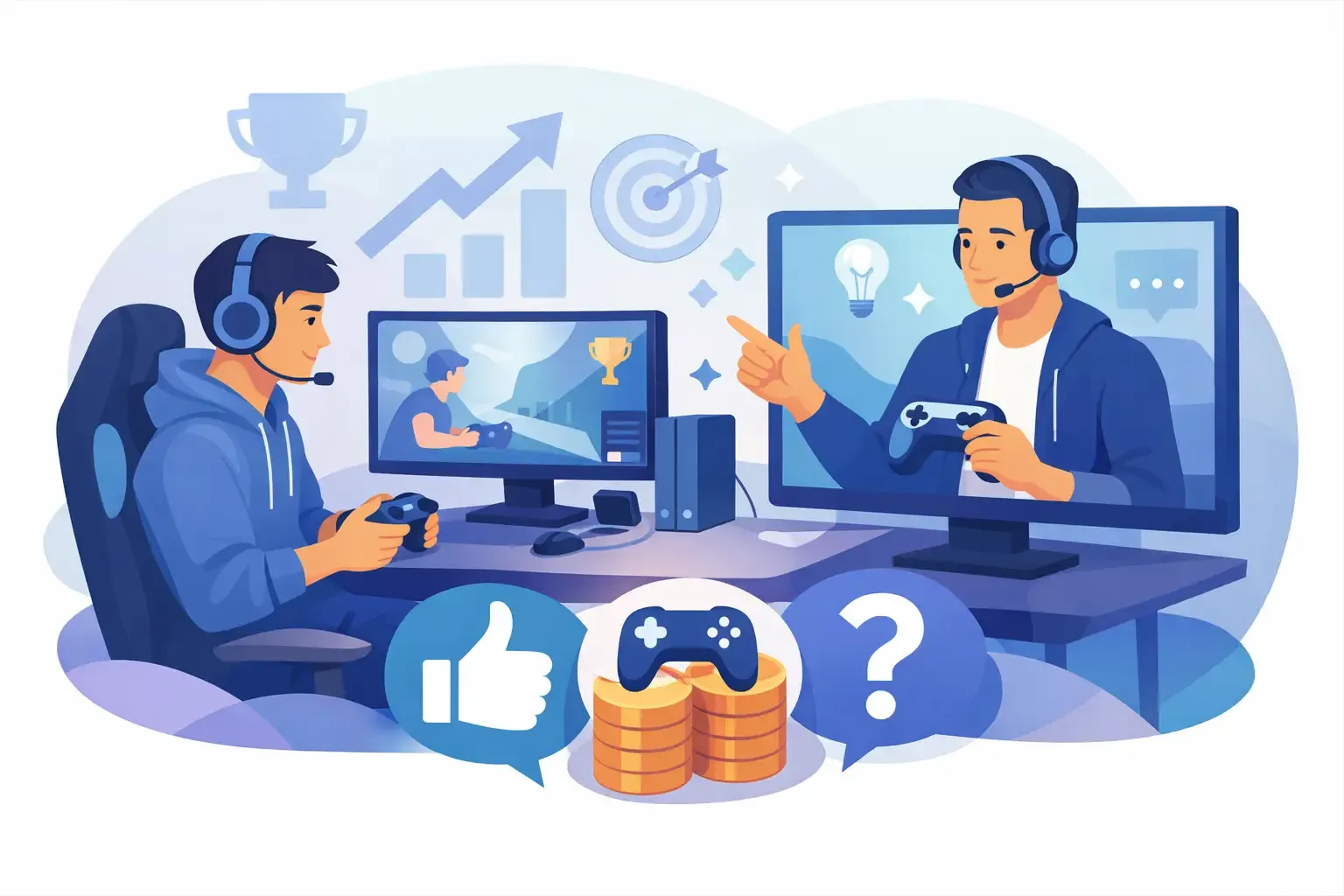
The third is structure. A lot of gamers know what they want - rank up, improve mechanics, reach a new tier, compete more seriously - but they do not have a plan. Coaching gives you one. That can include live gameplay review, VOD analysis, custom drills, matchup prep, or a step-by-step focus for your next week of ranked games.
The fourth is confidence grounded in evidence. Good coaching does not sell hype. It shows progress through better habits, cleaner execution, and smarter decisions. That kind of confidence holds up under pressure because it is built on real improvement, not wishful thinking.
Who gets the most out of coaching
Coaching is not only for aspiring pros, and it is not only for beginners either. It works best for players who care about improvement enough to apply feedback.
If you are new to competitive games, coaching can save you from building bad habits early. Learning fundamentals correctly is easier than trying to fix months of sloppy play later.
If you are a mid-rank player, coaching can help you break through the plateau that usually comes from inconsistent decision-making. This is where a lot of serious players get the highest return because they already have enough experience to apply detailed advice quickly.
If you are high rank or chasing organized competition, one-on-one work becomes even more valuable. At that level, small edges matter. Draft understanding, role-specific macro, communication habits, and match preparation can decide whether you stay good or become great.
The only players who tend to get less value are the ones looking for a magic fix without putting in the work. Coaching can accelerate progress, but it cannot replace discipline.
What a strong coaching session should include
Not every coaching session is equally useful. The best ones are personalized, direct, and practical.
A strong coach starts by understanding your goals. Are you trying to hit Diamond in ranked, clean up your mechanics, learn a new role, or prepare for tournaments? That context shapes the advice. A player chasing ladder gains needs a different focus than a player trying to join a team environment.
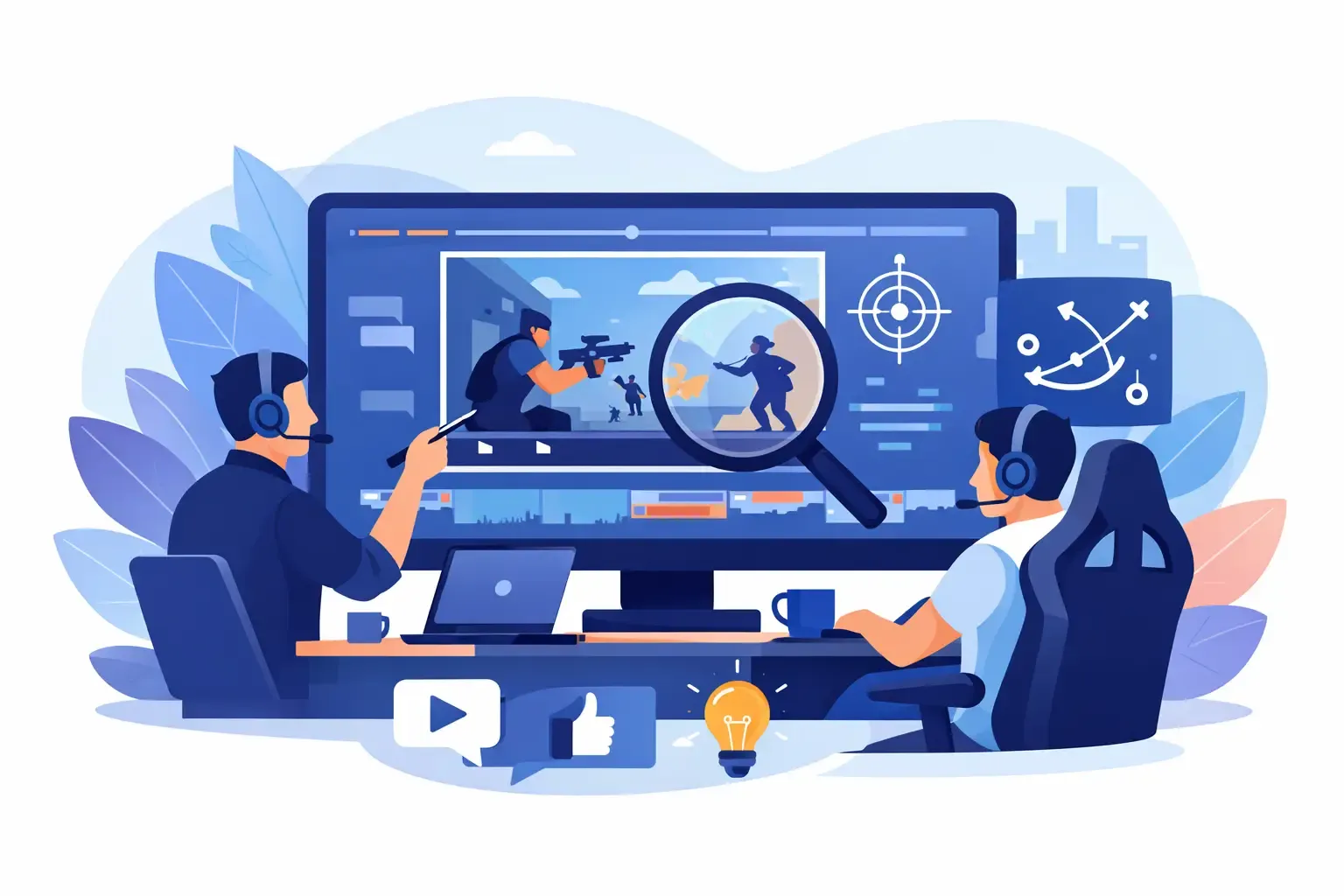
From there, the session should move into real evidence. That can mean live observation, replay review, or duo gameplay analysis. The point is to look at your actual decisions, not just talk in theory.
Then comes the most important part - translation. Useful coaching turns analysis into next steps. You should leave knowing what to focus on, what to stop doing, and how to practice differently in your next matches. If a session gives you information but no plan, it is incomplete.
How to know if a coach is the right fit
Game knowledge matters, but teaching ability matters just as much. A great player is not automatically a great coach. The best coaches can explain concepts clearly, adapt to your level, and prioritize the changes that will create the biggest gains first.
Look for coaches with proven experience in your game, visible credibility, and strong player feedback. Ratings and reviews matter because they show whether the coach consistently helps others improve, not just whether they can perform themselves.
It also helps to choose someone whose style matches your needs. Some players want direct, high-pressure feedback. Others need clearer foundational teaching. Neither is wrong. The key is finding a coach who can meet you where you are and push you forward from there.
That is one reason marketplaces like BetterGamer appeal to serious players. Access to vetted coaches across multiple games, skill levels, languages, and session formats makes it easier to find someone who fits your goals instead of forcing a one-size-fits-all approach.
Is one on one gaming coaching worth the money?
For a player who only wants casual entertainment, maybe not. There is nothing wrong with playing for fun and improving naturally over time.
But if your goal is measurable progress, coaching can be one of the most efficient investments you make in your game. You are paying for fewer wasted hours, better practice, and faster correction of mistakes that would otherwise stick around. When you think about how long some players stay hard stuck while trying to self-teach, the value becomes easier to see.
That said, it depends on how you use it. One session can be powerful if you apply it well. Ongoing coaching can be even stronger if you want consistent feedback and a more structured path. The right choice depends on your budget, goals, and how seriously you want to improve.
The real edge is clarity
Most players do not need more random advice. They need clarity. They need to know why they are losing certain fights, why their rank is stalling, and what change will actually move the needle.
That is what one on one gaming coaching delivers when it is done well. It replaces guesswork with direction and turns ambition into a focused plan. If you are serious about leveling up, the smartest move is not always to play more. Sometimes it is to get the right eyes on your game and start improving with purpose.
The players who improve fastest are usually not the ones doing everything alone. They are the ones willing to get coached, stay honest about weaknesses, and turn feedback into results.